

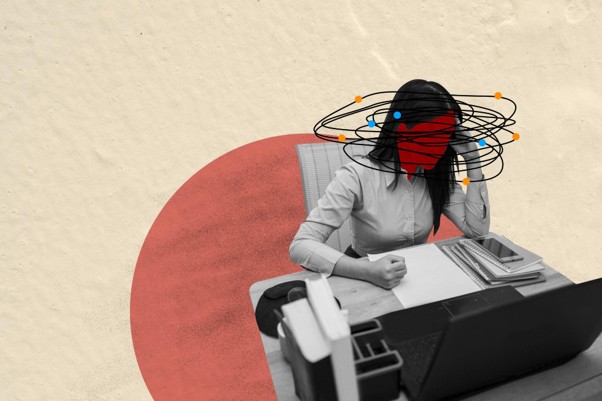
In December last year, Glassdoor named their word of the year “fatigue,” citing a 41% spike in mentions of the word since last spring. We’re halfway through 2026, and if you were to ask most people how they’re feeling now, you wouldn’t be wrong to think we’d been frozen in time. From global conflicts to cost-of-living pressures, AI in the workplace and even Bird Flu, there are plenty of reasons for folks to express interminable stress and tiredness.
Fortunately, while societal malaise hasn’t necessarily disappeared, the conversation seems to have shifted. It’s not so much that people are simply burned out anymore, but now, more and more people are talking to each other about it. And more importantly, people are starting to do something about it too.
There is a growing conversation about burnout and emotional resilience, and if you’ve been feeling the pressure at work and at home, it may actually involve you. Understanding and addressing emotional health requires a multifaceted approach focused on recovery and proactive strategies.
A Deeper Understanding of Wellbeing
As conversations around burnout become more common, there is also a growing recognition of the importance of mental wellbeing skills. For those who are passionate about developing a deeper understanding of human behaviour and supporting others through difficult experiences, pursuing a Graduate Diploma in Counselling can provide the knowledge and practical skills needed to explore areas such as emotional regulation, communication, and resilience-building.
Understanding why people experience stress, how they respond to challenges, and what strategies can support healthier coping mechanisms is becoming increasingly valuable across workplaces, communities, and even in personal relationships.
As the focus shifts from simply managing burnout to preventing it, counselling expertise is becoming an increasingly important part of creating more supportive environments where people can thrive.
Recognising the Signs of Burnout
What is burnout? Burnout can be defined as a state of physical, mental, and emotional exhaustion caused by prolonged and chronic stress. Burnout is subtle but relentless, as it affects someone’s emotional resilience and ability to self-regulate.
Burnout is recognised as an occupational phenomenon and affects individuals across various life demands. As such, burnout among caregivers may look completely different from that of people working in an office all day or in a trade. Common indicators that emotional resilience is under strain can include:
- Persistent exhaustion or inability to rest
- Depression or emotional numbness
- Chronic irritability or anxiety
- A general sense of dread
- Reduced productivity
Recognising the signs of burnout is one step in addressing it, along with implementing worthwhile mindfulness strategies aimed at correcting and preventing future relapses.
The Pillars of Emotional Resilience
To combat burnout, we require strong emotional resilience. Emotional resilience is the ability to adapt to stressful situations, crises, or setbacks and recover from challenging emotional experiences. This doesn’t mean avoiding negative emotions or struggles — they will come — but rather managing emotions effectively, processing them in a holistic, constructive manner, and bouncing back.
Here are the pillars of emotional resilience:
Self-Care & Boundaries
Stress has a physical as well as an emotional toll. Many of us dwell in stress and don’t actually treat it, so it compounds. Setting boundaries for ourselves and establishing healthy self-care routines can alleviate stress and build our defences against the extreme pressures at home and at work.
This involves scheduling intentional downtime, getting adequate sleep, maintaining a balanced diet, and learning when to say no.
Practicing Mindfulness
We all need to calm down, for real. Getting out of our heads, avoiding overstimulation, and avoiding thinking about all the stressors around us will help free our minds for more edifying things. Quite literally, we need to free up space in our minds for peace, love, and happiness!
Mindfulness habits such as deep breathing, journaling, or meditation help calm the nervous system and ground you in the present moment.
Emotional Flexibility
True emotional resilience means allowing space for a full range of emotions, both positive and negative. Rather than forcing relentless positivity — which is impossible — we need to embrace our full range of feelings and get comfortable with them, letting them pass through. Dwelling on emotions of either extreme is not healthy and lays the foundation for ending up in a rut… or burnout.
Feel all your feelings and be flexible; all things will pass, so don’t be afraid to lean into how you’re feeling on any day.
Social Support
Isolation fuels burnout, and with the rise of AI and remote work today, some of us are more alone than ever. Leaning into meaningful connections at home, work, or through peer groups provides a vital safety net that can pull you out of depressive episodes or helplessness. Don’t feel ashamed of asking for help or leaning on your friends and peers for support.
You’re not alone in the burnout rat race, so tap into your social network for meaningful connections and aid.
Local Resources and Professional Support
For those navigating burnout, we cannot emphasise enough the importance of professional support. Australians can speak with a GP to develop a mental health treatment plan if they feel like burnout and stress are impacting their day-to-day lives. There are also many free community resources available, such as Beyond Blue or Lifeline (13 11 14).
Do not hesitate to reach out for assistance, and in any emergency situations, contact 000.
How To Prioritise Your Mental Wellbeing When Burnout Sets In
Burnout is not a sign of weakness or a failure on your part. Oftentimes, burnout is actually a signal that something in your routine needs to change. By recognising the warning signs early, strengthening your emotional resilience, and reaching out for support when you need it, you can better protect your mental wellbeing in the face of life’s ongoing challenges.
While stress may be unavoidable, burnout doesn’t have to be. With the right strategies and support, it’s possible to recover, build resilience, and create a healthier, more sustainable, and happier way of living.
Prioritising your wellbeing can look different for everyone, but some practical strategies include:
Establishing Healthy Boundaries
Did you know burnout can occur when your work, home life and downtime begin to bleed into each other? Creating solid boundaries like shutting off after work, scheduling in downtime and recovery, and learning to say no can aid in preventing burnout.
Schedule Time to Recharge
Self-care is more than taking yourself out for ice cream once in a while. It means allowing yourself time to move your body, get creative, spend time with friends and family, rest or just relax.
Monitoring Your Wellbeing
Because burnout happens over time, you might not even notice the signs. Check in with yourself throughout your day to ensure your stress levels, emotions, and energy are where they should be.
Ask For Help When You Need It
Why wait until you’re burnt out to reach out? Connecting with a friend, therapist or doctor can help you learn healthy ways to cope with stress and build resilience.
Burnout Is Not Permanent
Feeling burned out sucks. But you don’t have to let burnout take over your life. By identifying burnout sooner, understanding how you feel emotionally and building better resilience habits you can get your life back on track.
Life is stressful. But feeling drained day in and day out isn’t normal. Whether that means you need to learn how to set better boundaries with others, reconnect with the people who support you or seek outside help, there are steps you can take.
Resilience isn’t about avoiding feeling burnt out all the time. It’s about learning and growing your toolkit so you have the resources necessary to cope with these moments when they happen.
Take care of yourself and make some changes so you can live your best life.