
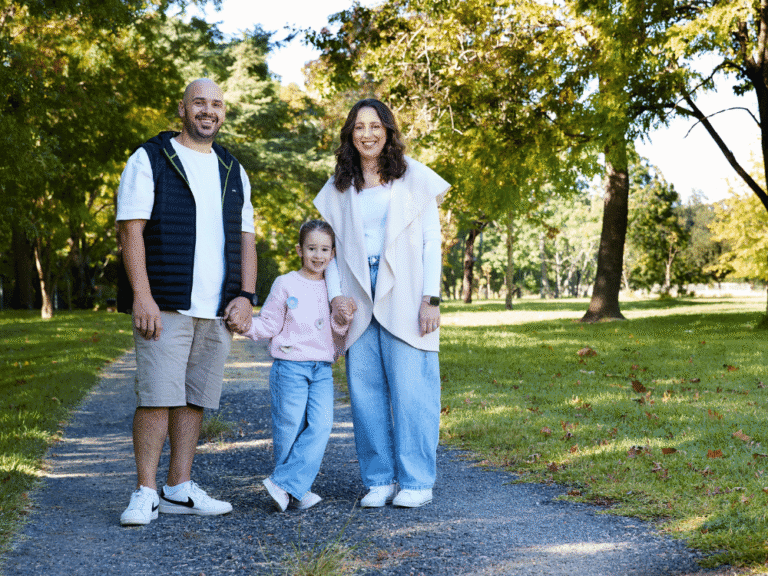
“It was a shock, especially as I walked into the appointment feeling healthy and well,” says Alexandra Bakous of her breast cancer diagnosis, just days before Christmas in 2022.
The then 35-year-old was enjoying life after the pandemic restrictions eased, spending time with her active two-year-old daughter and planning to extend her family.
“My life before I was diagnosed was wonderful,” Alexandra explains. “At the time I had a very busy life, working from home and taking my daughter places with my husband, making up for the time we spent in lockdown due to COVID when she was born.”
Her dreams were put on hold when she was suddenly diagnosed with stage 3 triple negative breast cancer, despite having no symptoms.
Alexandra’s cancer was discovered by chance after her aunt was diagnosed with ovarian cancer and both her aunt and father discovered they carried the BRAC2 gene. Alexandra was referred to a genetics specialist at Liverpool Hospital, who sent her for blood tests and an MRI, which uncovered a small tumour.
Alexandra was suddenly faced with surgery, fertility treatment, hospital stays and months of chemotherapy, which made her nauseous and fatigued.
Initially, she had a lumpectomy, but the margins were reviewed by her specialist, and she was advised to have a mastectomy.
Treatment was physically and emotionally challenging, especially as it meant time away from her young daughter Olivia.
At one stage, Alexandra’s chemotherapy had to be paused as she fought a life-threatening infection associated with her earlier surgery.
Her immune system was severely compromised, leaving her vulnerable and unable to risk social activities such as family weddings and outings with her family.
Throughout it all, Alexandra was grateful for the support of her husband Peter, her parents, sisters, and Olivia, who would wear matching scarves on her head and cuddle up in bed, telling Alexandra: “Mummy, it’s going to be okay.”
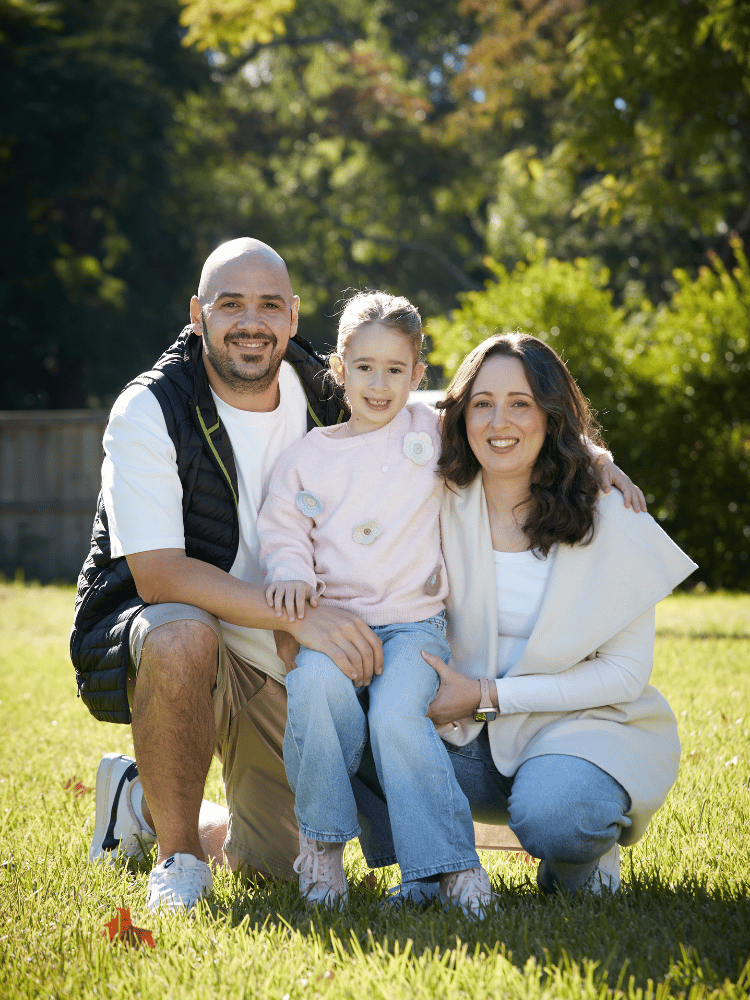
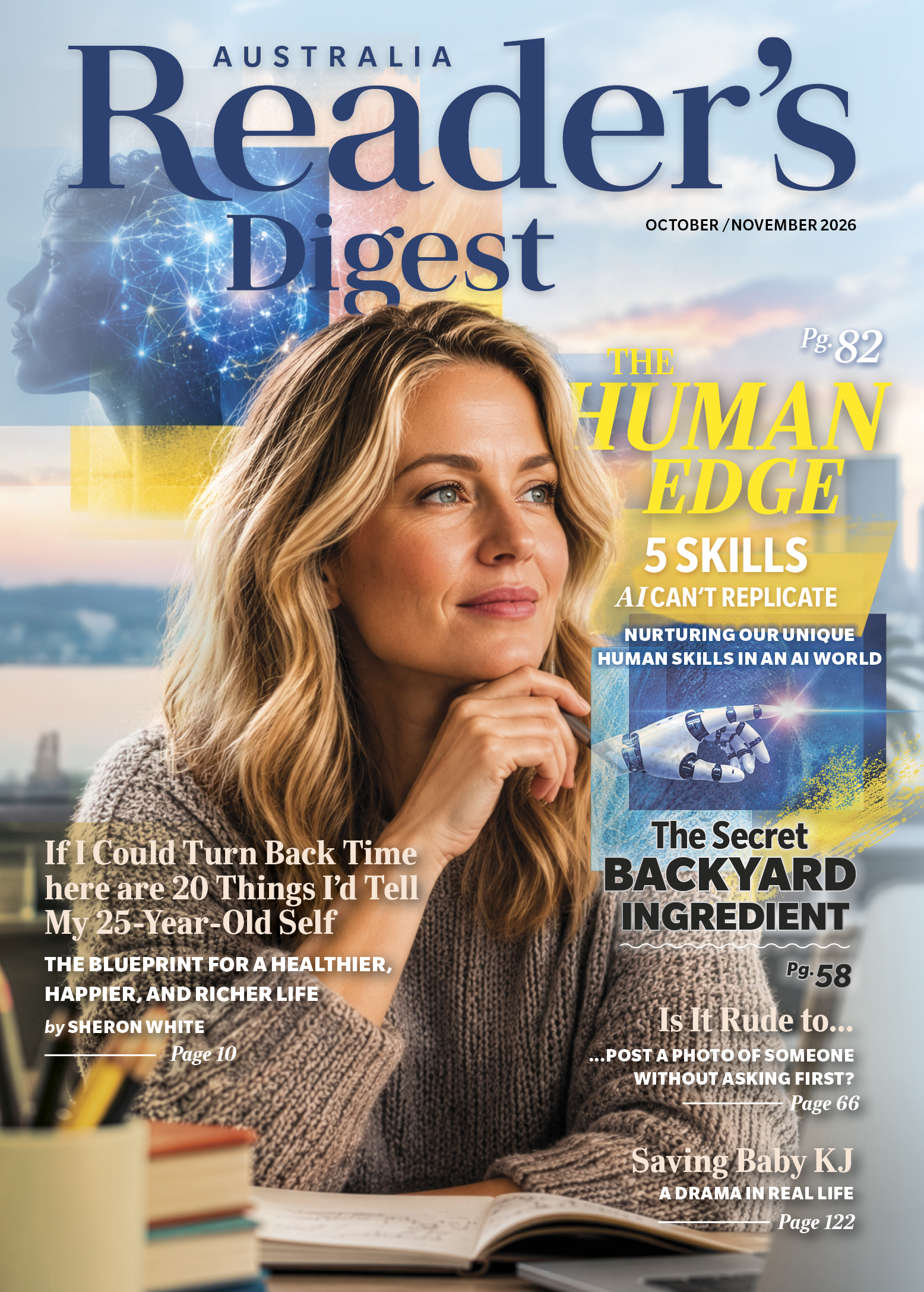
Today, Alexandra is sharing her story through the 2027 Australian Women’s Health Diary, a special product that has been much-loved by Australian women for more than 28 years.
Packed with expert health and wellbeing information, practical planning tools and inspiring stories, the diary has raised more than $21 million for Breast Cancer Trials since 1999. Every diary purchased supports breast cancer clinical trials research that helps identify new and better ways to prevent, detect, and treat breast cancer.
Deaths from breast cancer have fallen 30% over the past 20 years, which is largely due to new treatments identified through the Breast Cancer Trials research program.
CEO of Breast Cancer Trials, Karen Price, says that despite significant progress over the past few decades, more research is still needed.
“Breast cancer is not one disease; it has many types, and more research is urgently needed so every person receives the treatment most suitable for their diagnosis,” explains Ms Price. “In Australia, 56 people are diagnosed with breast cancer each day and a further nine lose their lives to the disease.”
For Alexandra, this research has played an important role in her own diagnosis, while also giving women diagnosed today access to better treatment options and greater hope for the future.
Alexandra was given medication which put her ovaries to sleep to protect her fertility during chemotherapy, a treatment Breast Cancer Trials helped prove the effectiveness of through its POEMS clinical trial.
“It took a while for my ovaries to ‘wake up’ and return to somewhat normal status,” says Alexandra. “I had to complete a round of IVF before starting chemotherapy, which only resulted in one viable embryo.”
She was on oral chemotherapy for another twelve months before she was finally able to look to the future with confidence, but her treatments were successful.
While the fear of recurrence is real, especially as she had no symptoms, Alexandra knows firsthand that early detection is key. Alexandra now has scheduled MRIs, mammograms, and ultrasounds.
After several years of monitoring, Alexandra was cleared to use her last embryo from IVF.
Now four years after her diagnosis, Alexandra is working part-time and, much to Olivia’s delight, is now expecting her second daughter, fulfilling the dream of growing their family.
“Having breast cancer has made me appreciate the medical support we have here in Australia,” she says. “I’m happy to be involved with the diary that helps fund research and treatments that can make a difference to thousands of women everywhere.”
The 2027 Australian Women’s Health Diary is available from newsagents, selected Woolworths stores, participating Post Offices and online at womenshealthdiary.com.au.
Brought to you by Breast Cancer Trials