
For generations of Australian children, the “must-have” toy has changed with the times—from homemade Depression-era playthings to space-aged cereal giveaways and high-tech gadgetry.
Here are the toys that made us smile, from the iconic to the quirky, based on historical data from the National Museum of Australia, the Australian Toy Association, and retail archives .
The Early Years: Handmade Treasures (1920s–1940s)
The 1920s: Susan’s Doll and Doll’s House
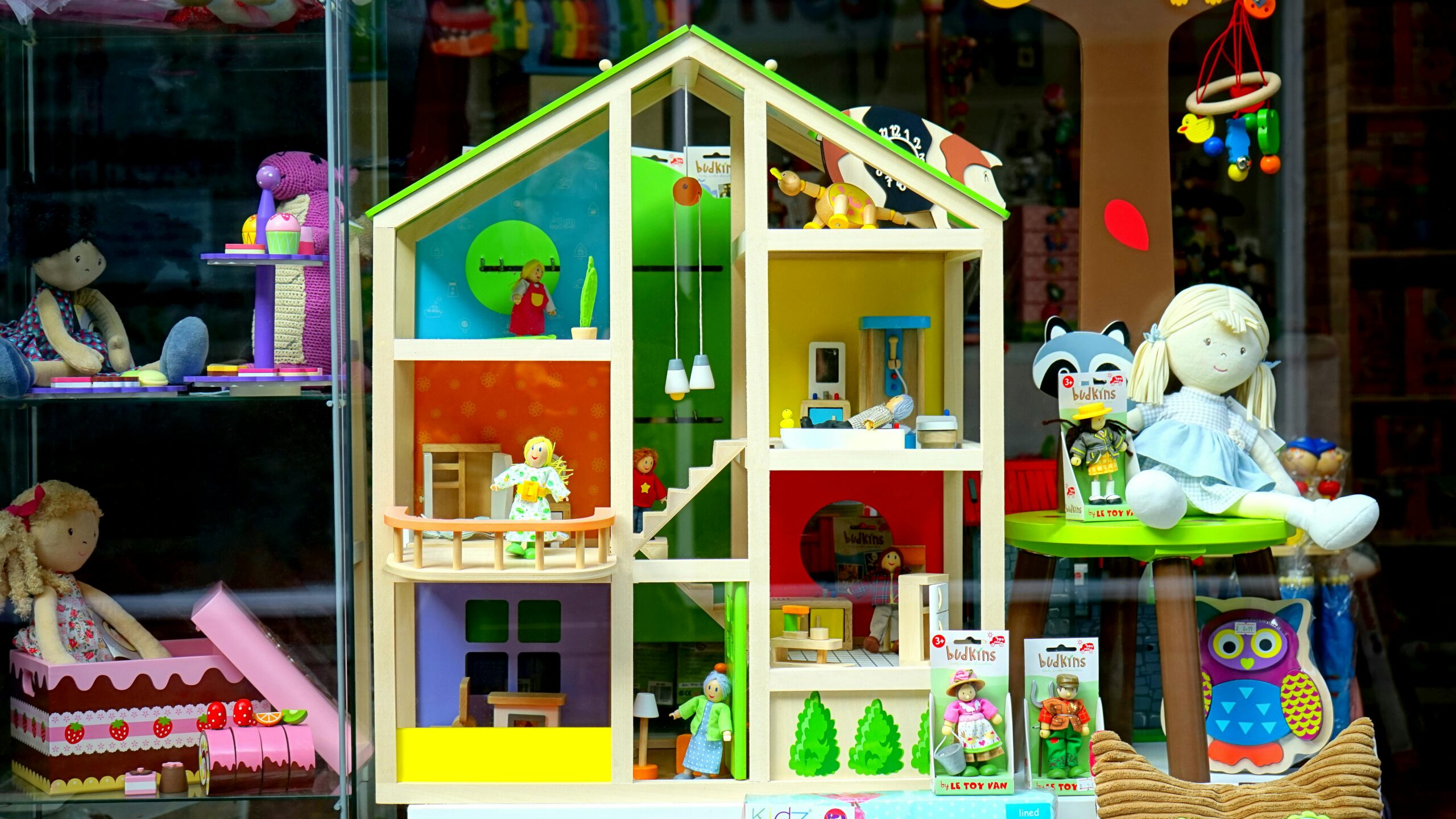
For children growing up in the 1920s, store-bought toys were a luxury. On properties like Burrungurroolong near Goulburn, NSW, young Susan Gibson treasured her dolls. Some were expensive imports, but the most cherished were often handmade. Susan stitched dolls herself on a child’s sewing machine, dressing them in silky peach dresses. Her “sumptuous” wooden doll’s house, handcrafted and likely a Christmas gift in 1928, was the centrepiece of hours of imaginative play.
The 1930s: Frankenstein’s Doll
In the 1930s, Sydney company Hush-a-Bye used a clever “Frankenstein method” to create dolls—porcelain heads from Germany, celluloid limbs from Japan, and cloth bodies made locally. When World War II brought import restrictions, the company pivoted to all-Australian materials, switching glass eyes to wooden ones and arguing that dolls were “essential for children’s morale.” These wartime Hush-a-Bye dolls, stamped with a map of Australia on their backs, represent true Aussie ingenuity.
The 1940s: Nita’s Autoharp
During the polio epidemic of the late 1930s and 40s, toys took on a therapeutic role. Nita Lawes from Tasmania contracted polio at 11 and was determined to strengthen her weakened arm muscles. At 16, she took up an autoharp given to her by a local woman. “The girl with the harp” became a popular entertainer, proving that the best toy could also be a tool for resilience and recovery.
The Post-War Boom: Plastic and Space-Age Fun (1950s–1970s)
The post-war migration boom and the rise of manufacturing saw toys become more accessible—and a lot more colourful.
The 1950s: Luke’s Colouring Book
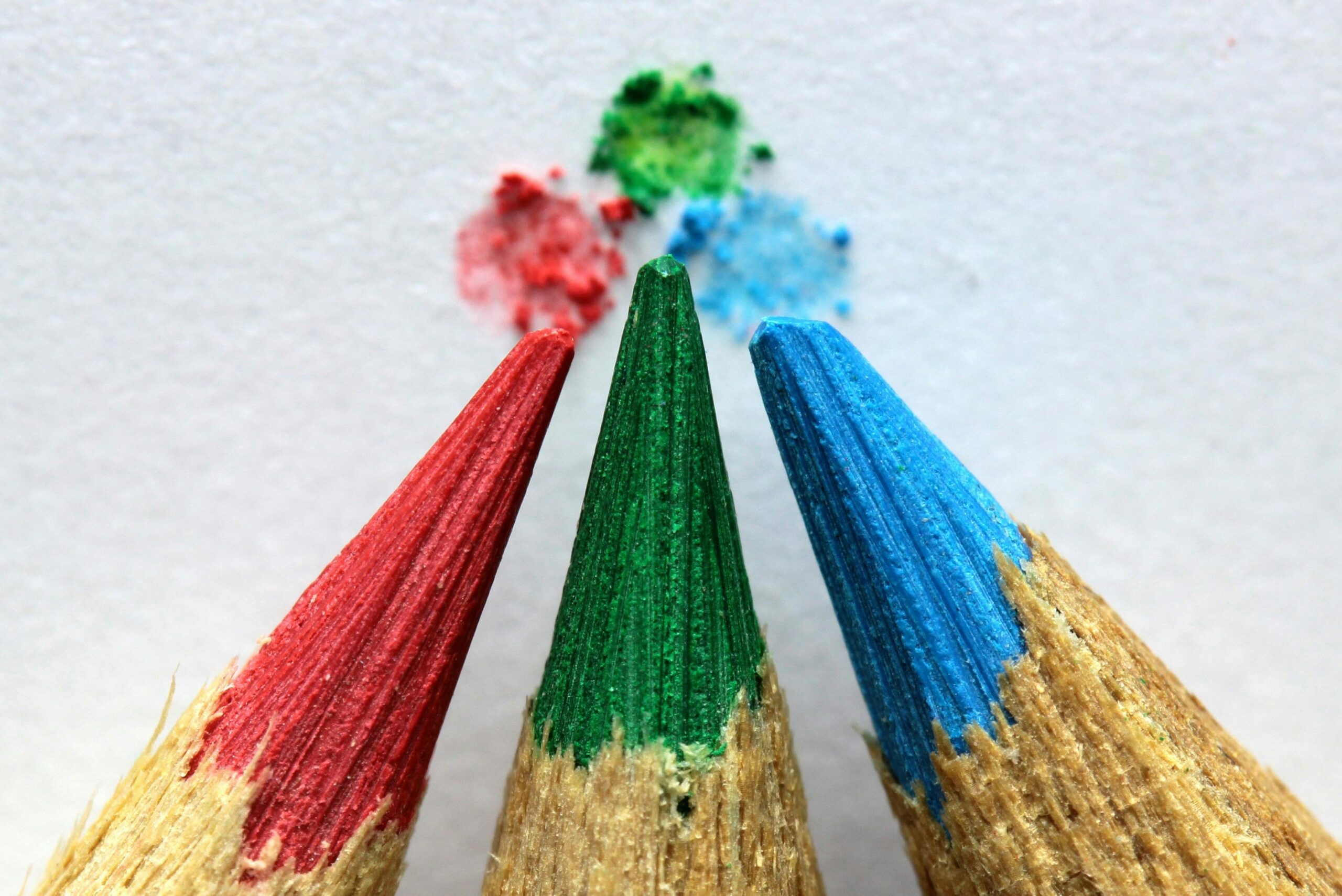
When 4-year-old Luke Wensing migrated from the Netherlands to Australia in 1953, space on the ship was tight. His parents packed wisely: a colouring-in and puzzle book. It kept Luke and his baby brother entertained during the long voyage, proving that sometimes, a simple book and a set of pencils is the ultimate distraction.
The Late 1960s: Crater Critters
Before the internet, there was the cereal box. Between 1959 and 1977, Melbourne-based company Rosenhain & Lipmann manufactured over 70 different snap-together toys for Kellogg’s. It’s estimated they produced a staggering one billion toys. The most popular and collectable of all? The Crater Critters of 1968. These “friendly bug-eyed creatures from outer space” came in eight different colours with names like Kingly, Kooky, and Clever. They were so popular, R&L reissued them again in 1972. Today, a rare Kingly Critter with its crown intact can fetch upwards of $200.
The Golden Age of the "Must-Have" (1970s–1990s)

This era was defined by the Christmas rush—the toys that sold out by October and left parents searching high and low.
1973: The Pony Rocker & The Crissy Doll
The early 70s saw a mix of the traditional and the novel. The Pony Rocker was a wallet-busting favourite, a staple in many Aussie backyards. Meanwhile, girls were mesmerised by the Crissy Doll, famous for her hair that grew when you pressed her tummy.
1979: The Etch A Sketch
Before the iPad, there was the magic of the grey screen. The Etch A Sketch was a genuinely amazing mechanical marvel that remains a collectible gem today. With two white knobs, you could create (and erase) endless masterpieces.
1980: The Rubik’s Cube & The BMX Bike
1980 was a big year. For those who liked to twist and turn, the Rubik’s Cube became a global obsession. For those who liked speed, the BMX Bike—made famous by the film BMX Bandits starring a young Nicole Kidman—was the ultimate freedom machine.
1984: The Super Soaker
Summer was never the same after the Super Soaker arrived. This backpack-mounted water blaster was capable of soaking siblings from across the yard.
1985: Cabbage Patch Kids
The frenzy of the 80s peaked with the Cabbage Patch Kids. These soft-faced, adopted dolls came with their own birth certificates, and parents in Australia fought crowds to get their hands on one.
1989: Anything Ghostbusters
If it had a ghost on it, it sold. Following the blockbuster film, Ghostbusters merchandise reached near-Star Wars levels of popularity.
1994: Power Rangers
“Go, go, Power Rangers!” The morphin’ craze took over the playground. Action figures and full costumes were essential for any 90s kid.
1995: The Original PlayStation
The launch of the Sony PlayStation changed playtime forever. Moving from cartridges to CDs, it brought 3D gaming into the living room.
1996: The Yak Bak
This simple device allowed you to record a few seconds of your voice, play it back in a squeaky voice, and drive your parents absolutely crazy.
1998: Furbys
The furry, owl-like creatures that spoke their own language—Furbish—were the must-have Christmas toy. They’d wake up in the middle of the night chattering, terrifying parents across the nation.