
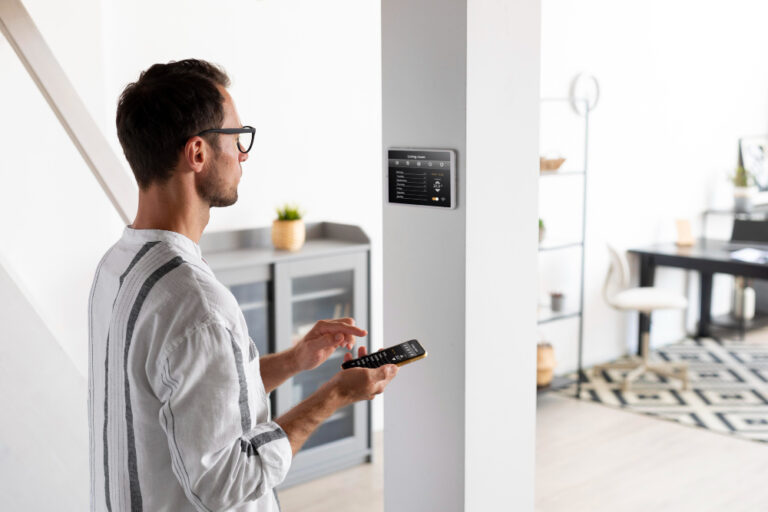
Eco-friendly smart home living in Australia is increasingly focused on reducing energy waste and managing household resources more efficiently. With electricity prices rising across most states, many households are turning to connected devices to control energy use without giving up comfort. According to the Australian Energy Regulator, average household electricity prices increased by more than 20% between 2022 and 2024, making efficiency a growing priority.
Australia’s hot summers and unpredictable weather also increase demand for cooling and lighting. This makes energy-smart technology an important part of everyday home management. Below are seven eco-friendly smart devices that help reduce consumption while supporting comfortable living.
Robot Vacuums
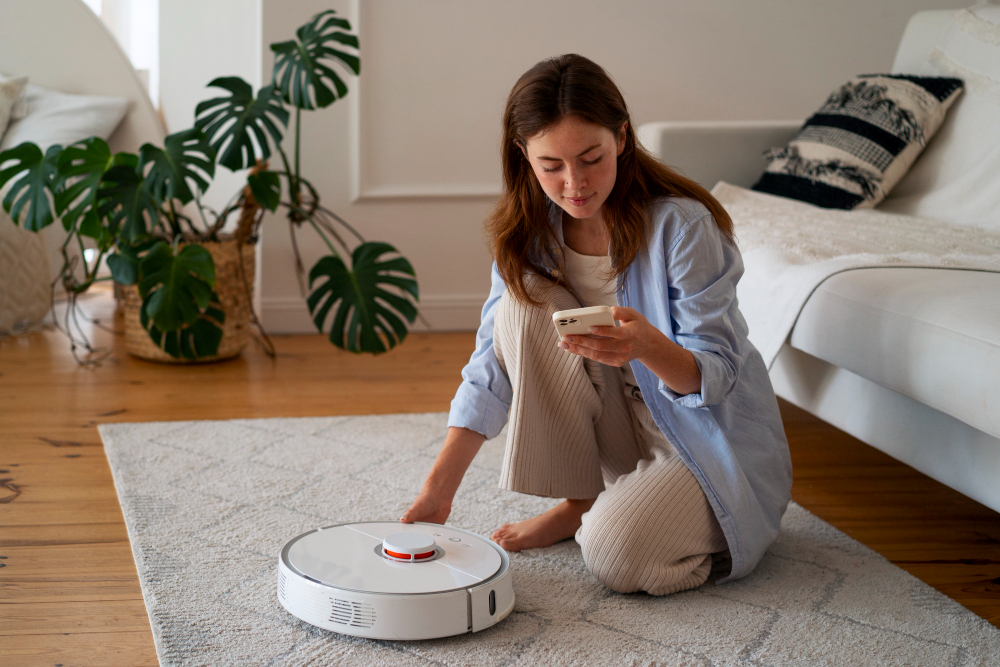
Robot vacuums support eco-friendly homes by automating cleaning and reducing unnecessary vacuum use. Instead of running a traditional vacuum several times per week, households can schedule targeted cleaning sessions only when needed. Modern AI-powered robot vacuums use smart mapping and object recognition to adjust cleaning routes based on floor type, obstacles, and dirt detection. This reduces repeated passes, shortens cleaning time, and lowers energy consumption.
These capabilities are particularly useful in Australian homes with timber, tile, and hard floors, where dust, sand, and pet hair are easily visible and tend to spread quickly. Automated daily maintenance helps keep surfaces clean without frequent manual vacuuming, saving time while maintaining consistent floor hygiene.
Smart Thermostats
Smart thermostats reduce heating and cooling waste by adapting to daily routines, occupancy, and outdoor temperatures. This is highly valuable during Australian summers, when air conditioning usage peaks. Studies show that smart thermostats can reduce cooling and heating energy use by 10-15% on average. Automated temperature adjustments prevent systems from running when no one is home and help maintain consistent indoor comfort.
Smart Plugs and Smart Power Strips
Many household devices continue drawing electricity even when not in use. The International Energy Agency estimates that standby power can account for up to 10% of household electricity consumption. Smart plugs and power strips allow users to schedule shutoffs or remotely disconnect devices such as televisions, office equipment, and gaming consoles. This simple automation helps reduce long-term energy waste.
Smart Lighting
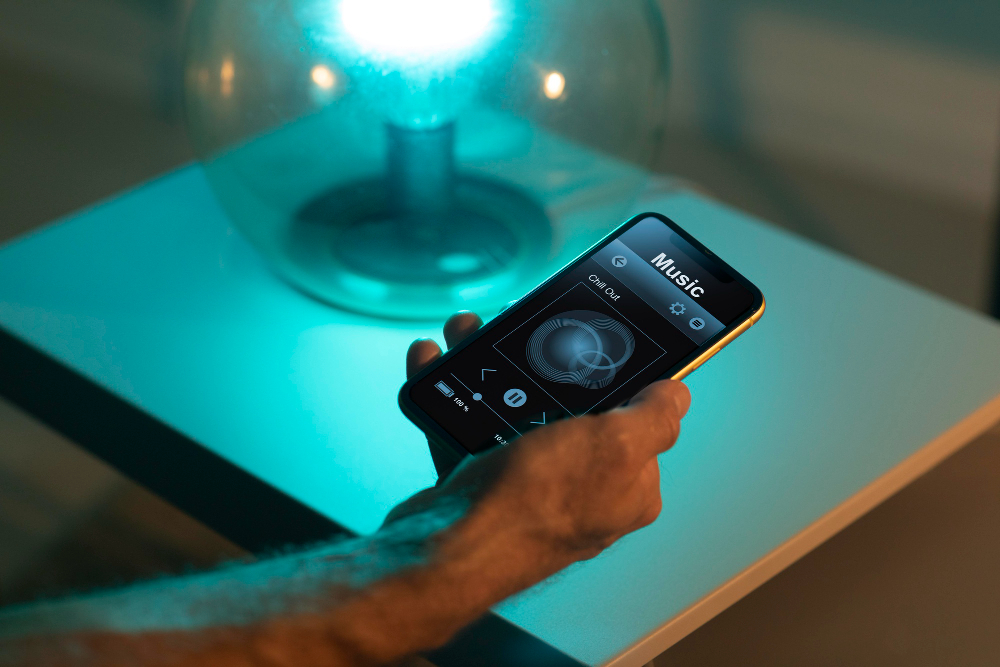
Smart lighting systems combine LED technology with automation and motion detection. Lights turn off automatically in empty rooms and adjust brightness based on daylight or time of day. This is useful in larger homes where lights are often left on unintentionally. Automated dimming in the evening and reduced daytime lighting help lower overall electricity use while keeping rooms well lit.
Smart Air Conditioning
Cooling accounts for a large portion of household energy use during warmer months. In some Australian regions, air conditioning can represent up to 40% of summer electricity consumption. Smart air conditioning systems adjust output based on temperature data, usage history, and room occupancy. Zoned cooling also allows unused rooms to receive less airflow, helping reduce unnecessary power consumption.
Home Energy Monitors
Home energy monitors give real-time visibility into electricity usage. By tracking daily consumption patterns, households can identify inefficient appliances and high-usage periods. This data-driven approach makes it easier to adjust habits and manage long-term energy costs.
Solar-Powered Smart Gadgets
Solar-powered smart devices are well suited to Australia’s high sunlight levels. Outdoor lights, security cameras, and portable chargers powered by solar energy reduce reliance on grid electricity. These products support sustainability while providing convenient power for outdoor spaces and travel use.
Images supplied by client