
Bathroom organisation hacks

Bathroom organisation hacks

SRDJANPAV/GETTY IMAGES

Closets, drawers and kitchen cabinets often get all the attention when it comes to home organisation. But there’s one small space that’s easy to overlook: your medicine cabinet.

Whether you’re dealing with a headache, seasonal allergies, a sleepless night or an unexpected illness, a well-organised medicine cabinet can make everyday life a little easier. It’s also a great opportunity to check expiry dates, safely dispose of old medications and make sure your household essentials are easy to find when you need them.

With expert advice from an infectious disease doctor and a professional organiser, we’ve put together a simple, step-by-step guide to refreshing your medicine cabinet. From clearing out clutter to storing medications safely, these practical tips will help you create a tidy, functional space that’s ready for whatever life throws your way.

Advertisement

Clean and sanitise

Clean and sanitise
FILADENDRON/GETTY IMAGES

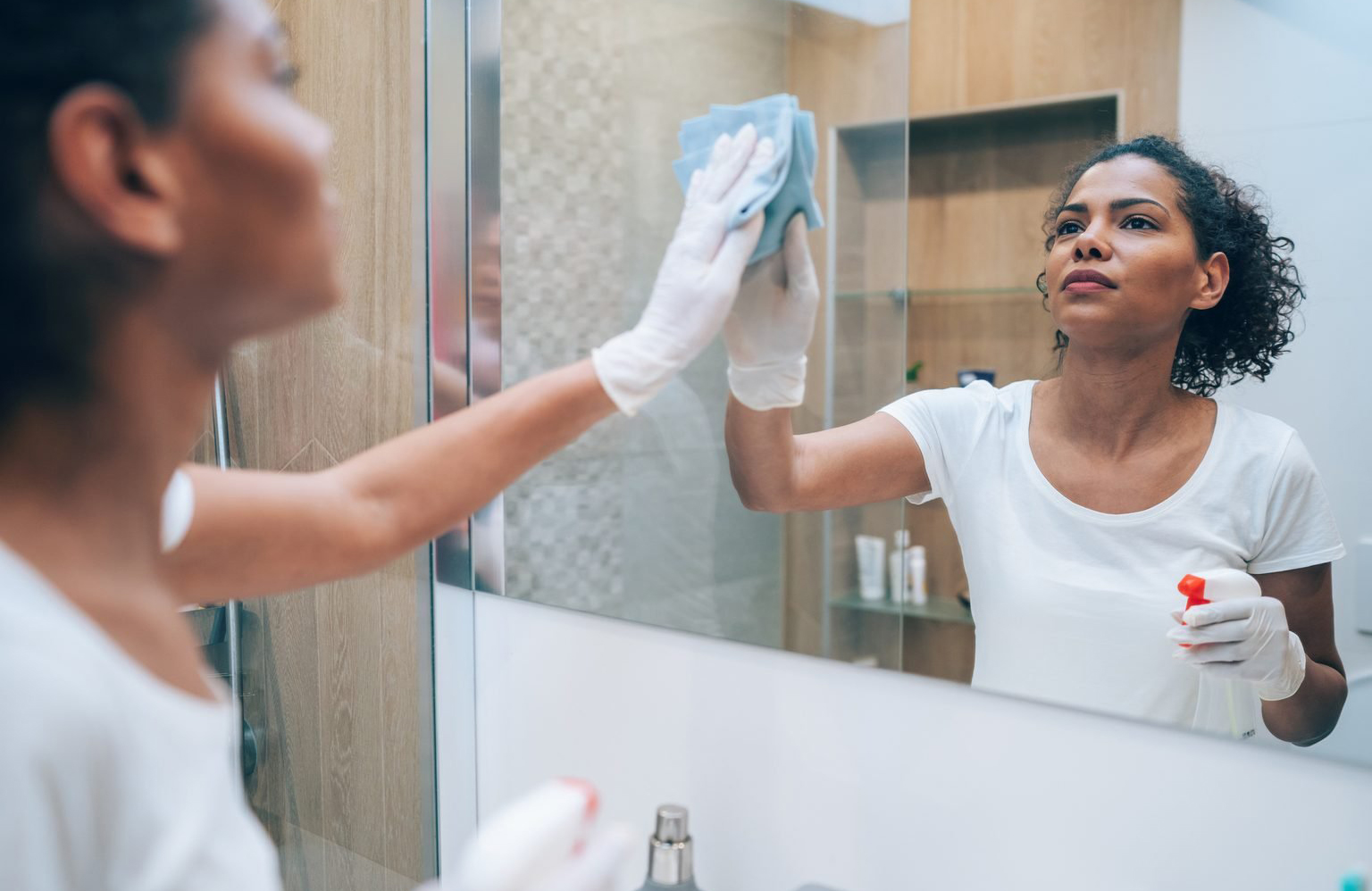
A quick wipe with warm water and a cloth will remove visible dirt and grime, but it’s worth giving your medicine cabinet a more thorough clean. Dr Margaret Khoury, an infectious disease specialist, recommends cleaning and disinfecting surfaces to help keep germs at bay.

Bathrooms can be warm and humid, creating ideal conditions for mould and bacteria to thrive. Choose a suitable household disinfectant and follow the instructions on the label, including the recommended contact time.

Start by removing everything from your medicine cabinet, including bottles, makeup containers and removable shelves. Wipe down each item and clean all interior and exterior surfaces. Don’t forget the handles, knobs and other frequently touched areas.

Once everything is clean and completely dry, you can start putting your essentials back in their proper places.

Toss like a boss
Toss like a boss
TOM MERTON/GETTY IMAGES

An easy next step is to throw away any expired over-the-counter meds and dried-out makeup. (That beloved eye shadow compact you’ve used since university? Zero judgment – but it’s time to throw it out, stat.)

Toss used-up, broken, or non-functional items. It’s OK to purge ruthlessly – you have limited space there, so only necessary items can stay. “If you don’t love it or use it, lose it,” says Rachel Rosenthal, a professional organiser.

Find out 20 things professional organisers would never do in their own homes.
Prioritise your shelves

Prioritise your shelves
TINATIN1/GETTY IMAGES

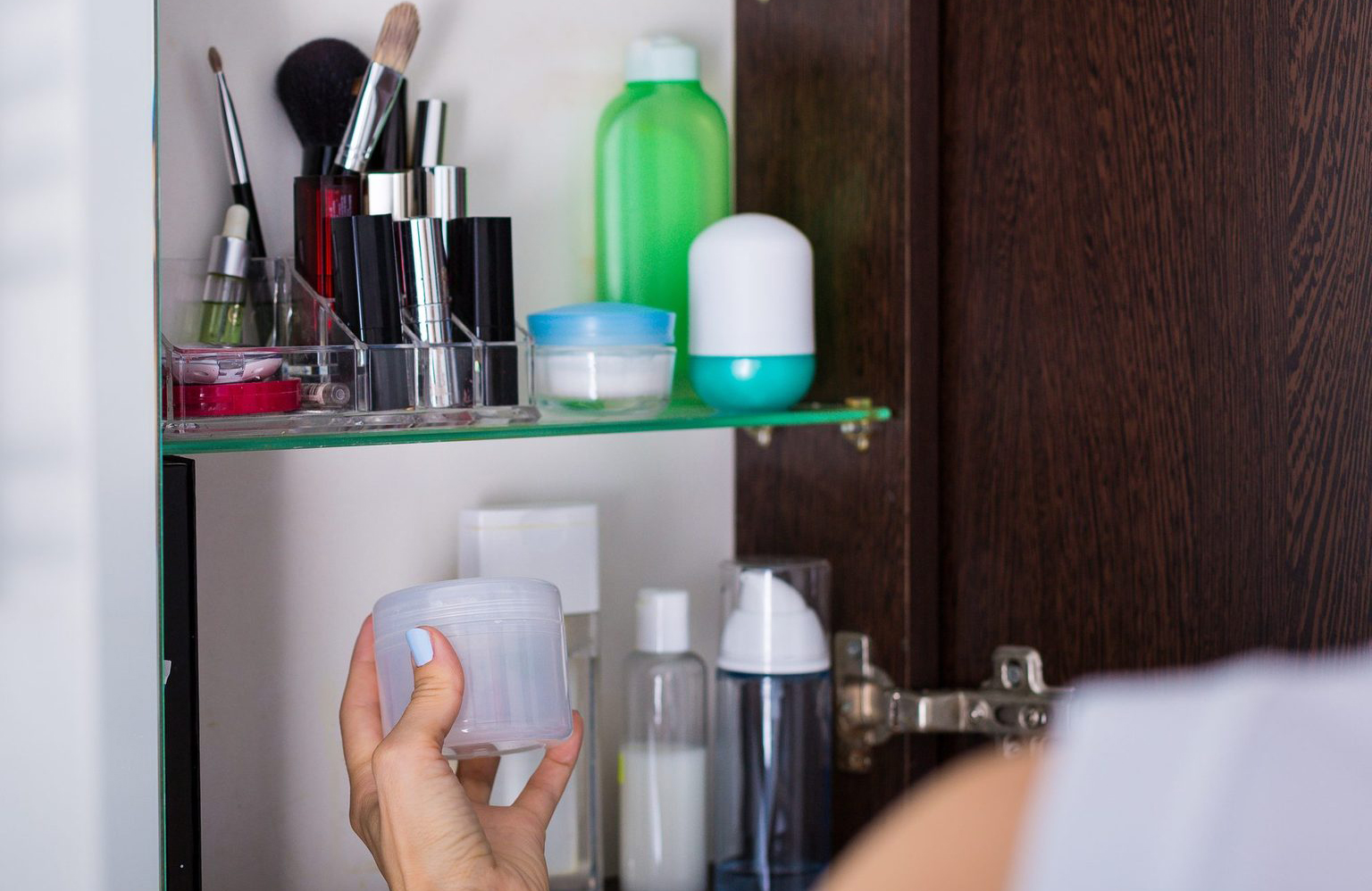
Ready to sort out what goes where? Rosenthal says you should start by assigning each category its own shelf and try to keep all the items in that group together within that designated space. You may want to label each shelf with a piece of tape or a sticky note to help you and your family put things away properly going forward.

Keep the items you use every day in easy reach on one of the lowermost shelves. If you’re not using an item at least once a week, move it to a longer-term storage space.

Have kiddos? Rosenthal suggests: “If you have little ones, dedicate the bottom shelf to keep their items where they can easily reach them and grab what they need.”

Here are 17 things you need to throw out ASAP.

Safety first

Safety first
OLENA RUBAN/GETTY IMAGES

The medicine cabinet is a common place to put medications, sharp objects like razors and needles and toxic cleaners, so safety should be a top consideration in your organisation, says Dr Khoury. If you have children that use the medicine cabinet, this is the perfect time to take inventory and remove all unsafe items and put them well out of their reach. (Don’t forget: Kids will climb onto benchtops!)

Put sharp objects in closed containers so you don’t accidentally hurt yourself. Toxic cleaners should be stored in tightly sealed unbreakable containers, so even if they fall, they won’t break open and spill.

Move your meds to a smarter spot

Move your meds to a smarter spot
TETRA IMAGES/GETTY IMAGES

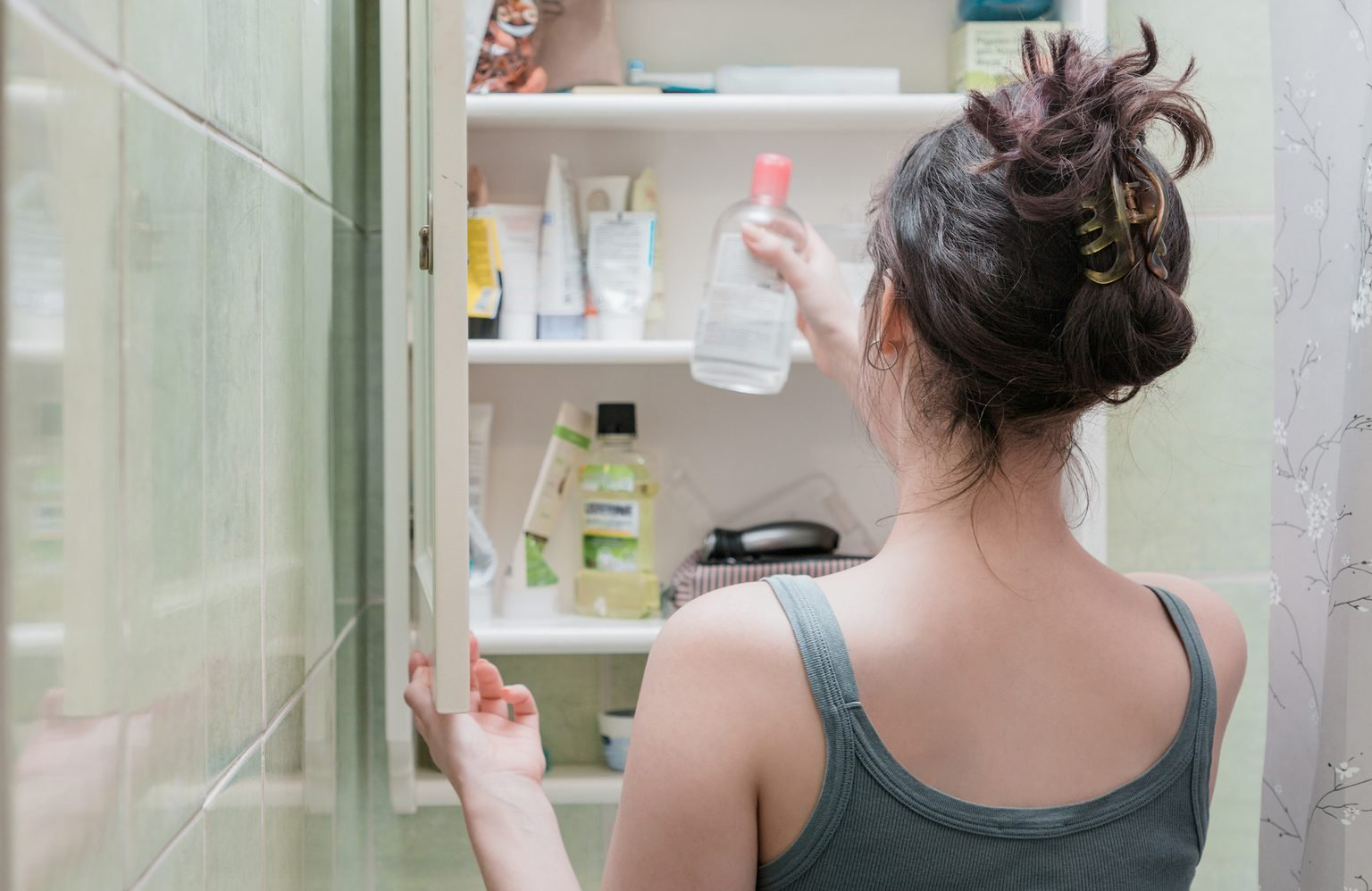
Oh, the irony: Turns out, the medicine cabinet is actually one of the worst places to store prescription and over-the-counter drugs, says Gina Harper, PharmD, BCPS. “Moisture, temperature, oxygen and light – all things found in bathrooms – can degrade medications faster than normal,” this pharmacist explains.

Unless the packaging indicates otherwise, most medicine should be stored at cool room temperature, in a dry, dark place, and in the original package… so, not in your bathroom. This is true for many skin care products, vitamins and supplements as well.

Note: If you really want to keep your meds in your bathroom, consider buying a small medicine fridge for your counter. This allows you to control the temperature, humidity and exposure to light and air.

Do not toss expired prescription drugs

Do not toss expired prescription drugs
SHANA NOVAK/GETTY IMAGES

Throwing prescribed medications in the garbage can help someone searching for narcotics get their hands on them. Flushing them down the toilet? Also not a wise option – this can pollute the water supply. Your best bet is to take them to your local community pharmacy participating in the Return Unwanted Medicines (RUM) scheme.

If for any reason you have to throw medicine away, it’s suggested you should “ruin” the drugs by mixing them with coffee grounds or kitty litter in a sealed plastic bag.

Watch out for these 10 medication mistakes that are hurting your health.

Store big items first

Store big items first
TINATIN1/GETTY IMAGES

Ideally, your cabinet has adjustable shelves to allow your tallest or bulkiest essentials to fit within easy reach, like toothbrushes, toothpaste tubes, or large ointment bottles. Then you can see just how much space you have to work with for the rest of your stuff.

If something takes up too much room and it’s not an item you access daily, it might be better stored in a cupboard elsewhere.

Next, insert your lesser-used items

Next, insert your lesser-used items
ILDAR ABULKHANOV/GETTY IMAGES

Prioritise by setting the things you use the most toward the front of your medicine cabinet, on the shelves that are the easiest to see and access, says Rosenthal.

Place lesser-used items in the back or corners. If you’re not using an item at least once a week, move it to a longer-term storage space, like a cupboard or a box under your sink.

Employ this system for the remainder of your items, discerning how prominently and accessibly each one should be placed based on how often you use it. Rosenthal says just remember: Your goal is to keep it safe, clean, and functional.

Here are 12 things professional organisers declutter every day.

Don’t lose loose items

Don’t lose loose items
GETTY IMAGES

Stray cotton buds or lip balm tubes adding to the clutter? Put them in a clear glass container. They’ll fit the vertical space better, and you’ll be able to see exactly what’s inside.

Check out these 9 ways to never lose anything ever again.

Connect with us: