

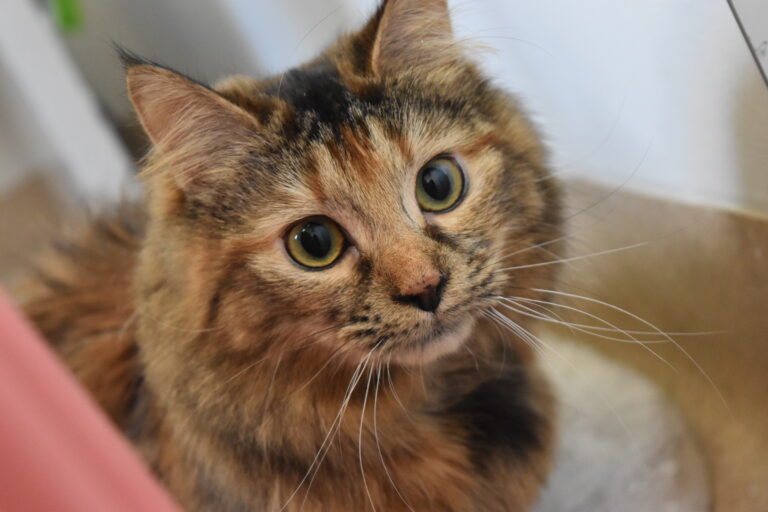
A cat sporting a shiny, thick coat doesn’t just look cute and cuddly, their glossy coat is an indicator of great health from the inside out. The first thing you should know is how to spot the difference between a healthy coat and an unhealthy one. A healthy coat should be shiny and smooth, without any matted fur – we need to help our long-haired cats with extra brushing and sometimes professional clipping. On the other hand, an unhealthy coat has an uneven texture and thickness and appears lacklustre in natural light, whereas a healthy coat gleams. Here are eight ways you can promote your cat’s skin and coat health to ensure they’re feline their most furrrbulous!
Consistent brushing
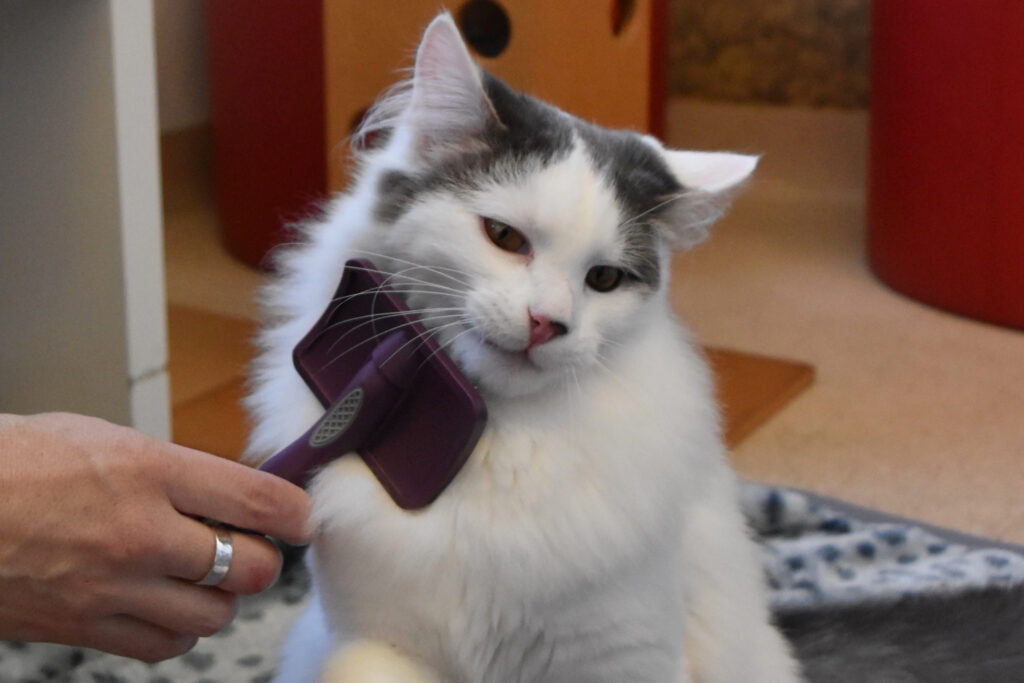
Brushing your cat helps to remove loose fur and distribute healthy oils across their coat; a surefire way to help them maintain mat-free, shiny fur. It’s also a lovely bonding opportunity for you and your kitty, though not all cats will take to the brush quickly. Begin with short sessions where you offer them some treats while combing their locks. To see the different types of brushes on the market, check out this guide to brush styles. The most important thing is to choose a brush your cat likes, then you’ll both get the most out of the pampering sessions. You might need to try a few types if they’re particularly picky!
Dietary changes
Sometimes, the health of a cat’s coat and skin is simply down to their diet. They may have sensitivities or allergies to a particular protein or grain, or benefit from a switch to a premium cat food as these generally use finer ingredients with a higher protein content than those stocked on supermarket shelves. If you do switch food, mix their current food and their new food together for a week or two to prevent stomach upset from a sudden change. It’s always important to visit your vet if you suspect allergies or if your cat’s coat remains dull. They will be able to help you find the root cause of your cat’s sensitivity, prescribe a veterinary diet if needed, and assess them for any other underlying conditions that could be contributing to their coat and skin health.
Supplements
Just like us, cats can benefit from skin supplements like Omega-3 fatty acids and probiotics – but this should be under the guidance of a vet, and you should never give them supplements intended for humans. Some premium cat foods are created for specific needs, for example, skin and coat recipes that already include supplements. As your cat ages, you may notice their coat is becoming dull or matted. If they have arthritis, grooming becomes more difficult. Supplements can help here, as well as extra brushing and more regular vet checkups (at least every 6 months) to identify and treat issues such as arthritis.
Keeping hydrated
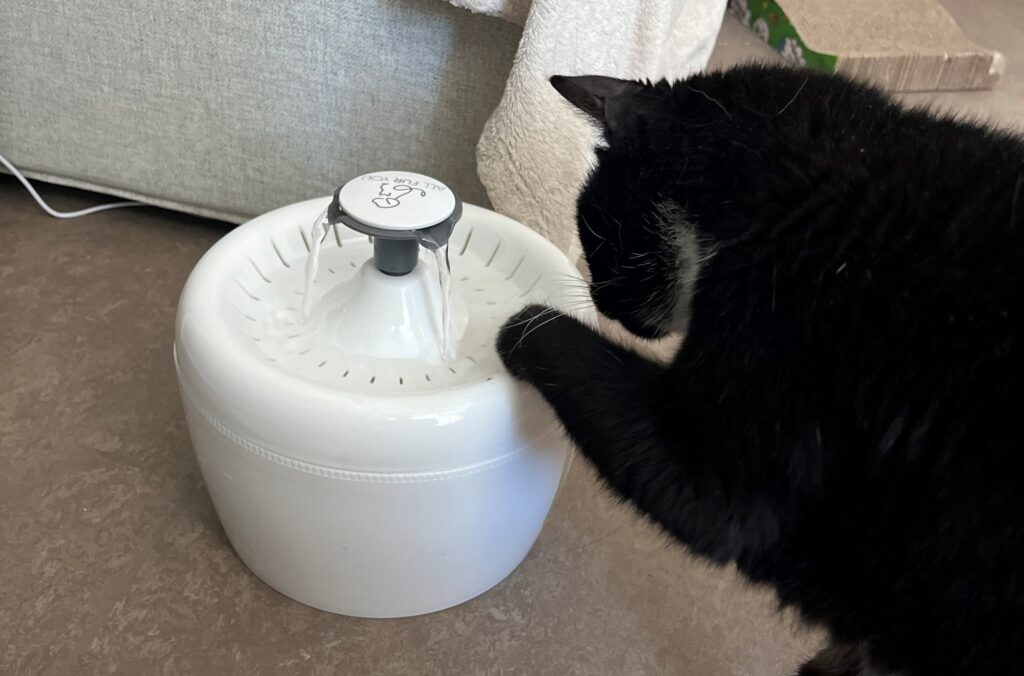
Hydration is important for all aspects of feline health, and a cat’s coat and skin are no exception. A well-hydrated cat will have a soft coat that lays smoothly against their skin and shines in the light. If they don’t drink enough water, their skin may become dull, dry, and flaky with less elasticity. Encourage hydration through multiple fresh water sources – perhaps even a cat fountain if they’re drawn to running water. Offer them wet food daily (you can even add some extra water when you serve it up), unless your vet has prescribed a kibble-only diet.
Parasite prevention
Staying on top of their flea treatment is important for all cats, whether they stay indoors or have outdoor access – creepy crawlies can unknowingly enter their environment on our shoes or the coats of other animals. Ensure the treatment includes mites, as they can cause itching, dandruff, and hair loss for our feline friends. For more information see Cat Protection’s fleas and worms factsheet and discuss any concerns with your cat’s vet.
Offer cat grass
More than just a natural treat option, cat grass is an important part of a cat’s diet and allows them to exhibit the natural behavior of finding greens to eat, reducing stress. Cat grass can help them pass hairballs, and the fibre is a digestive aid, working as a natural laxative. Plus, cat grass is packed with a nutritional boost of vitamins, minerals, and chlorophyll – beneficial for their skin and coat.
Vet checks
If you notice a change to your cat’s skin or coat, it’s time to make an appointment with their vet. Even if your cat is thriving and you have no concerns, it’s important they see their vet for an annual health check (twice a year for seniors) and to keep their vaccinations up-to-date. Your vet clinic will keep records of your cat’s health if you see them regularly and thus notice any changes to their skin and coat health, however subtle, as well as their overall health in general. Your vet will also check their teeth and gum health. Gum disease, which usually begins as gingivitis, is common in cats and most domesticated cats will need veterinary dental care in their lifetime. Failing to do so could result in the progression of gum disease and your cat being unable to groom themselves properly (plus experience pain, infection, and difficulty eating). A vet can provide tailored care for your cat and help you keep them in tip top shape from head to toe-beans!
Stress-reduction
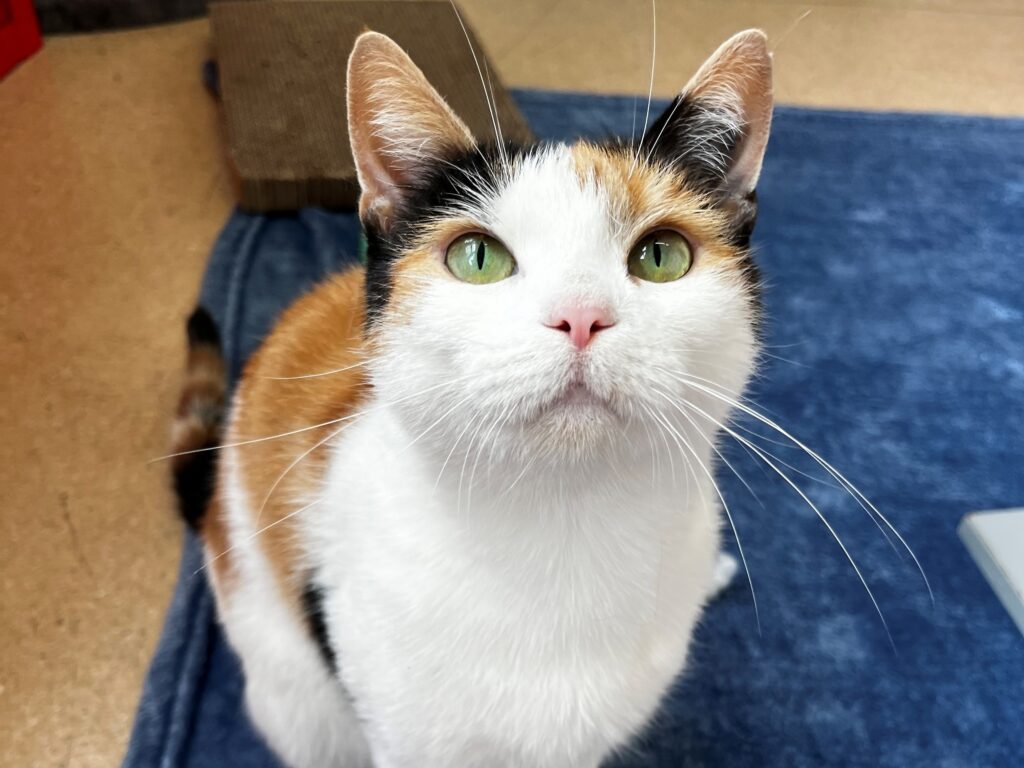
Reducing stress is important for the all-round physical and mental wellbeing of your cat, including their coat! Stress can present as overgrooming and exacerbate any pre-existing skin issues. To avoid stressing your cat, ensure they always have access to a safe and quiet retreat, like a cosy bed in the home office. A predictable routine is also beneficial – cats are creatures of habit (but some more so than others, like all individuals). You can also use supplements like Zylkene or a pheromone spray like Feliway for a calming effect. There are many reasons a cat may be stressed, with three main situations being moving house, introducing another cat to the family, or bringing home a newborn. Persistent stress can lead to health issues such as urinary tract infections, so it’s important to intervene early to take them to the vet if they continue to show signs of stress.
A healthy cat is a happy cat, which is all we want for our furry, four-legged family members. Keeping an eye on your cat’s coat, and helping to maintain it through brushing, diet, and vet visits, can ensure you notice any changes in their health and wellbeing and are ready to act if needed.
For general advice on cat care and everything feline, call the Cat Protection Society of NSW on 02 9519 7201 or visit catprotection.org.au