
Your age is just a starting point

Here’s something worth knowing: two people can share the same birthday and yet have bodies that are years — even decades — apart in biological terms. Scientists distinguish between chronological age (the number of candles on your cake) and biological age (how your cells, organs, and systems are actually holding up). Research confirms that genetic factors account for only around 15 to 25 per cent of how we age — meaning the vast majority of it is shaped by the choices we make every day.
The encouraging news? Many of those choices are entirely within your control. Whether you’re in your 30s, 50s, or well beyond, the following habits are backed by science to help you feel — and function — younger for longer.
1. Move your body regularly

If there’s one habit that comes up again and again in longevity research, it’s exercise. A landmark study from the University of Birmingham and King’s College London found that older adults who had exercised consistently throughout their lives had the muscle mass, cholesterol levels, and immune function of people decades younger. More recently, research published in 2025 confirmed that lifelong endurance training — activities like cycling, swimming, and running — produces immune cells that age more slowly and manage inflammation more effectively.
You don’t need to be an elite athlete to benefit. Australian health guidelines recommend at least 150 minutes of moderate aerobic activity per week, combined with two sessions of strength training. That’s less than 25 minutes a day — a very manageable investment in your future self.
2. Fill your plate with whole, minimally processed foods
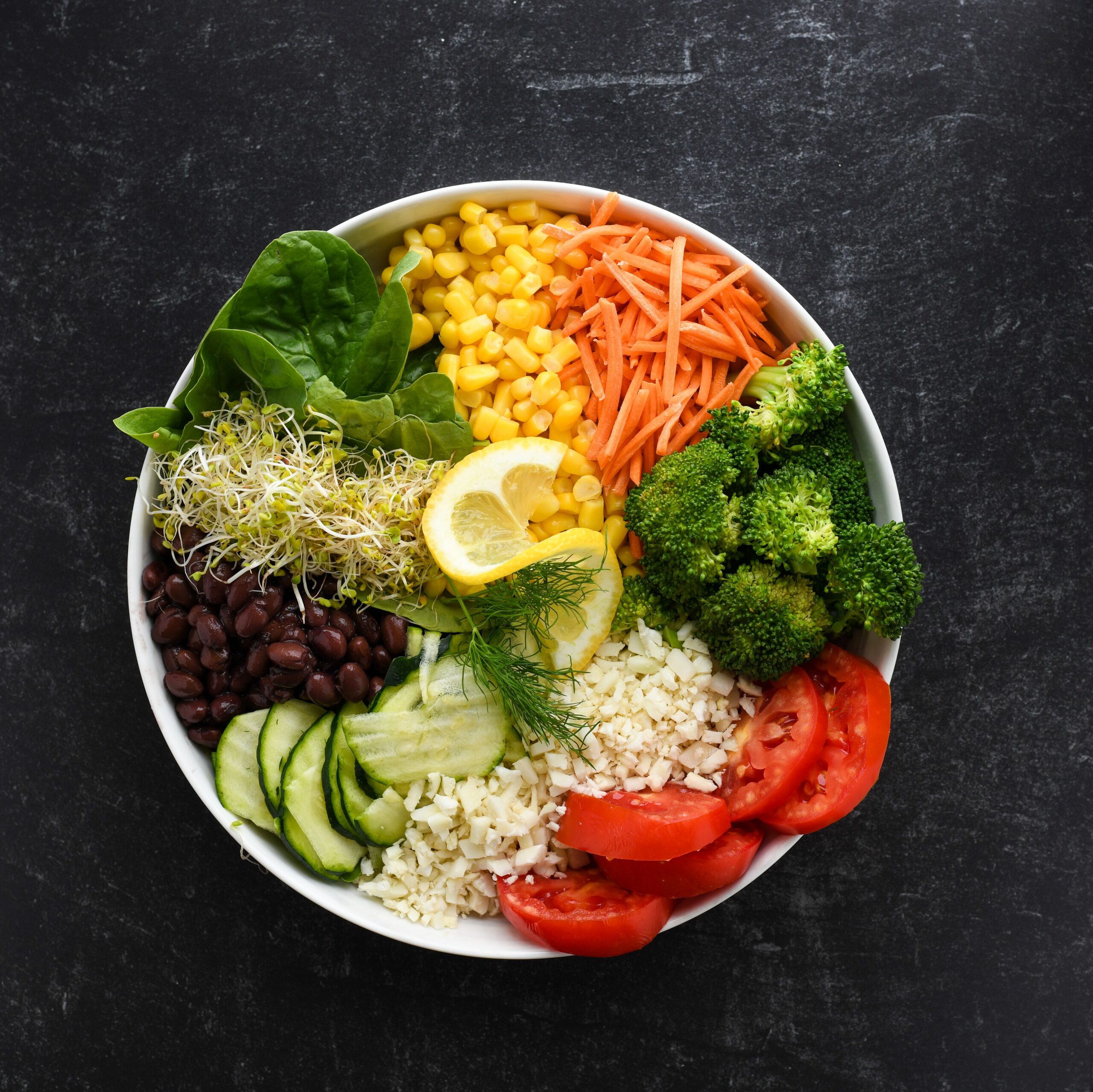
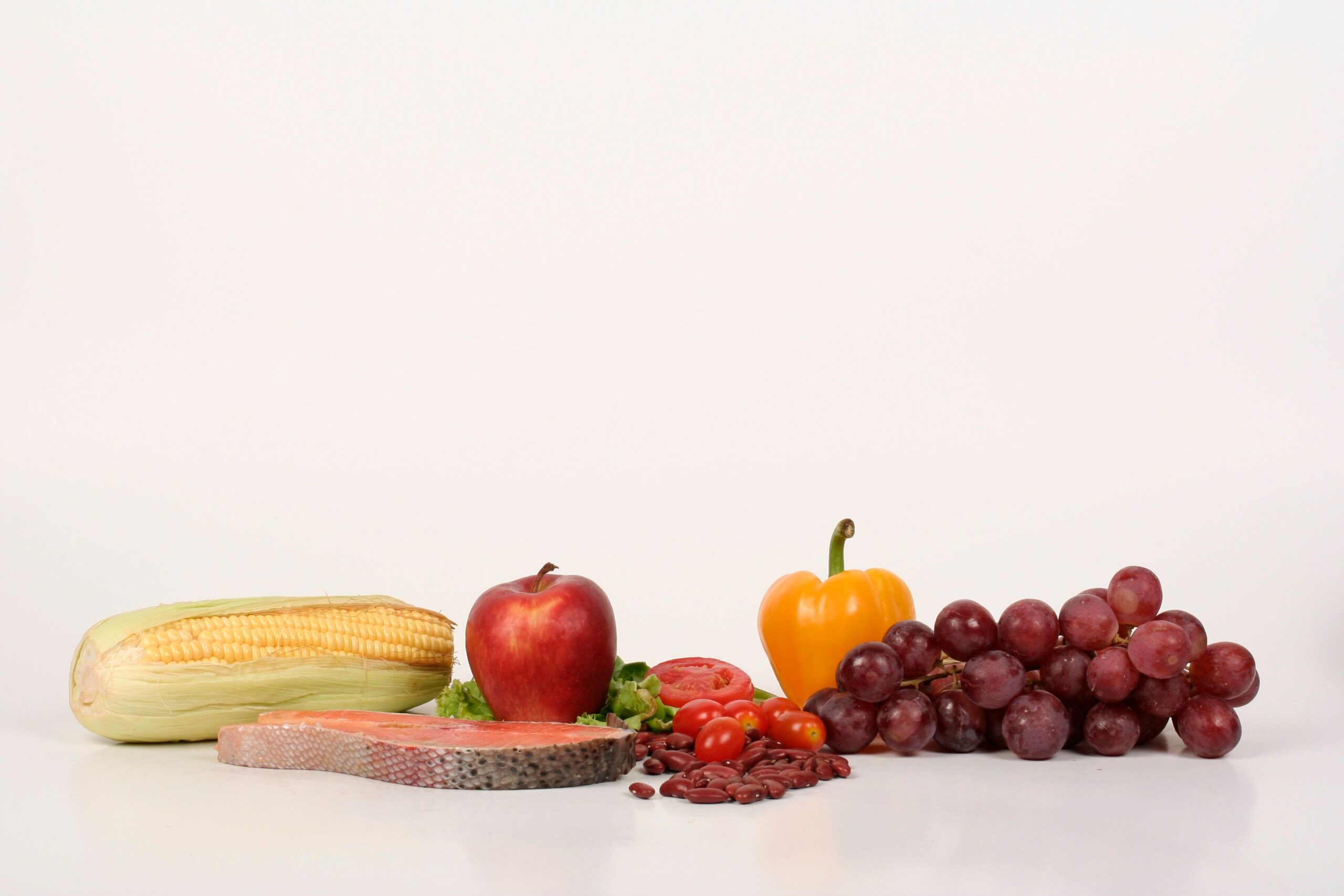
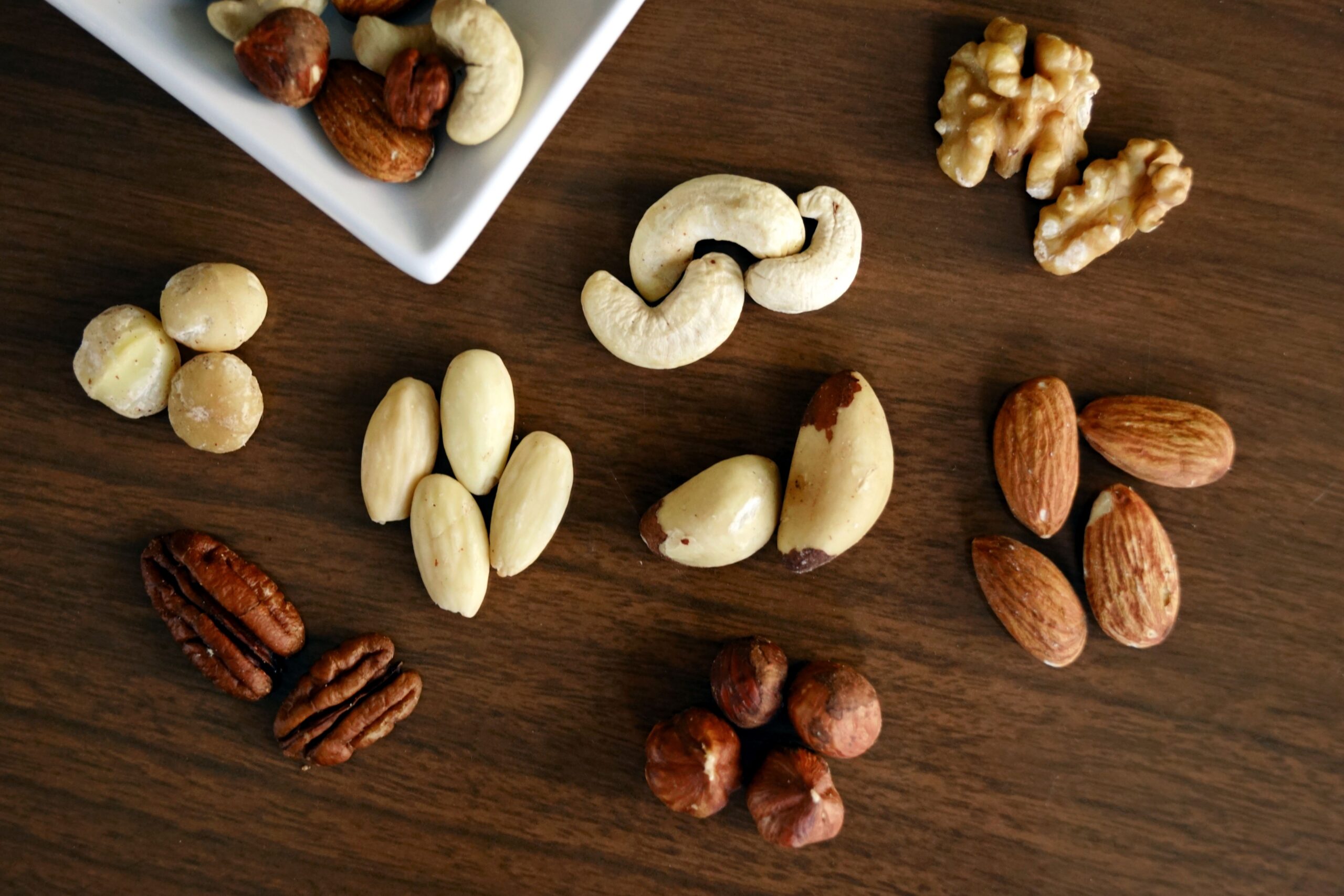
The gap between a diet built on whole foods and one dominated by ultra-processed options has a measurable impact on how quickly we age. Research consistently shows that minimally processed foods — think vegetables, legumes, whole grains, eggs, lean protein, and good fats — reduce chronic inflammation, stabilise blood sugar, and protect against the kind of cellular damage that accelerates ageing.
For Australians and New Zealanders, it’s worth noting that discretionary foods (biscuits, packaged snacks, fast food) currently make up more than a third of our average energy intake. Shifting even a portion of that toward whole foods can meaningfully improve long-term health outcomes.