
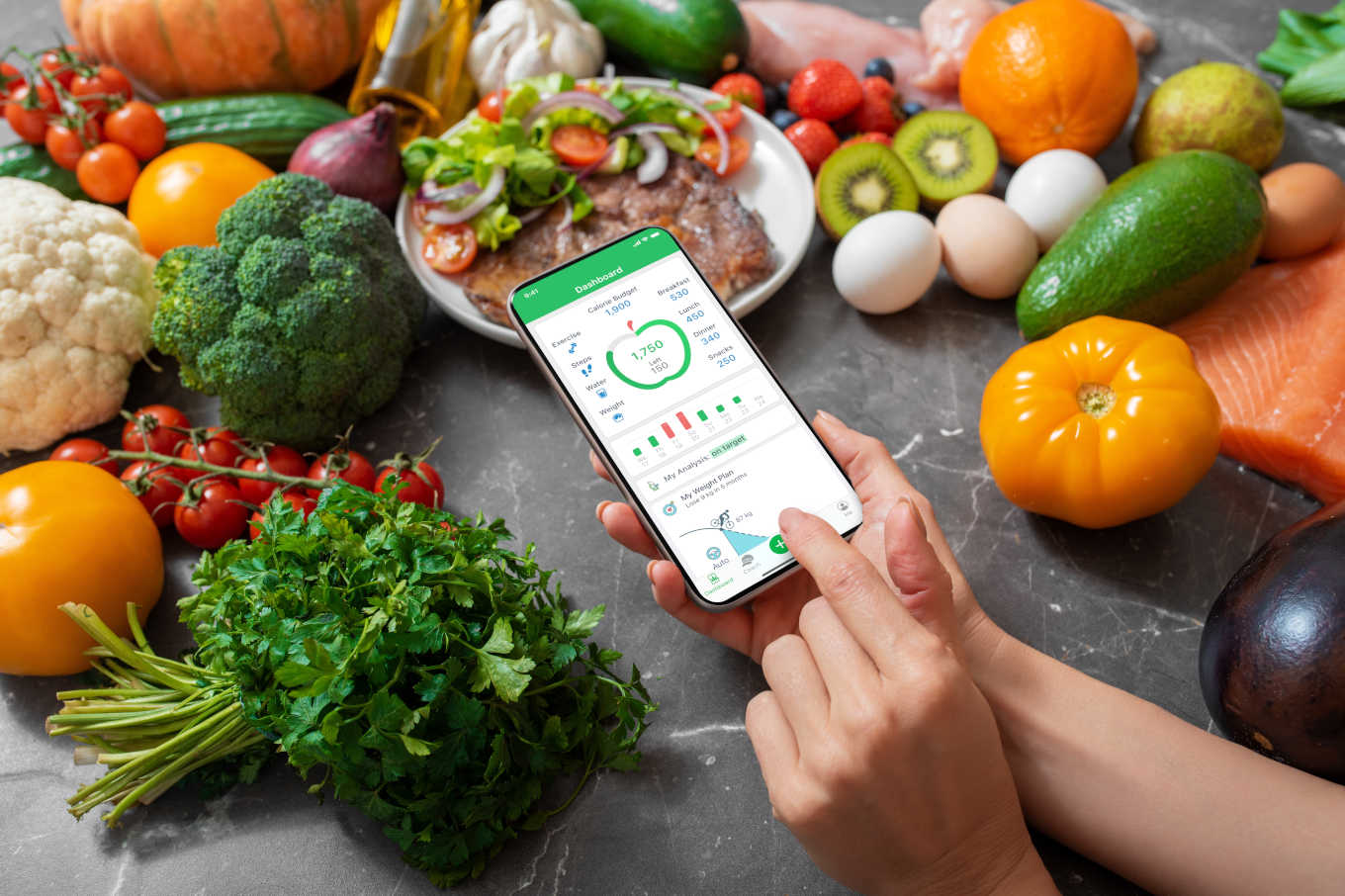
With dozens of nutrition apps competing for your attention, picking the right one feels overwhelming. The wrong choice means you’ll abandon it within a week. Whether you need a dedicated glp1 food tracker to support your medication journey or simply want a reliable daily log, the same core principles apply. Here’s how to cut through the noise and choose an app you’ll genuinely stick with.
1. Prioritize Ease of Logging Over Feature Count
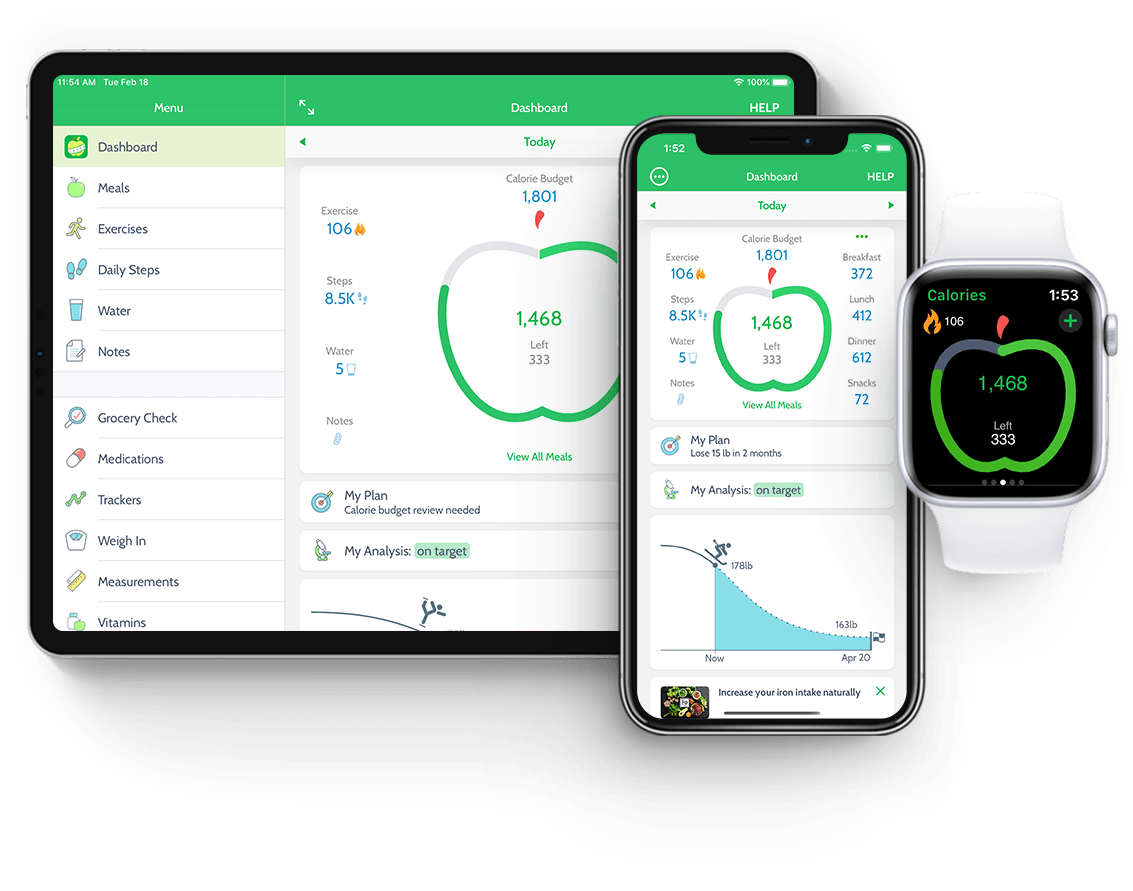
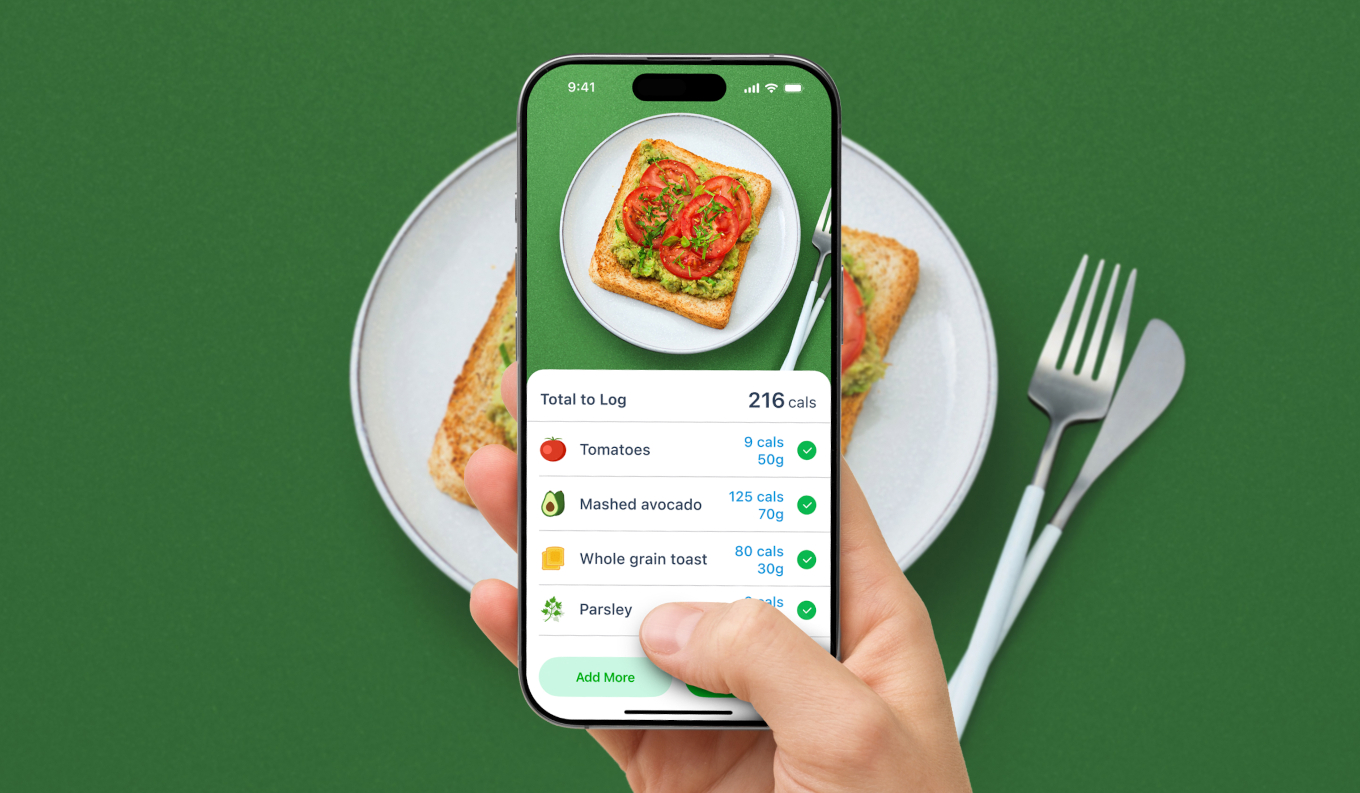
The best tracker is the one you actually use every day. An app loaded with advanced analytics means nothing if logging a single meal takes four minutes and three menus. Look for barcode scanning, voice input, and AI-based food recognition. These features reduce friction to near zero — and low friction is the single biggest predictor of long-term consistency.
2. Check the Food Database Size and Accuracy
A calorie tracker is only as good as the food data behind it. Look for apps with millions of verified entries, including branded products, restaurant meals, and international foods. Community-submitted databases can be convenient but are often riddled with errors. Opt for platforms that combine user contributions with verified nutritional data from official sources.