
Natural pain relief options

Natural pain relief options

Getty Images

Living with chronic pain can make everyday tasks challenging. Pain relievers may help reduce or relieve pain, but they all come with advantages and disadvantages. Prescription pain relievers, such as opioids, can be extremely effective, but they come with the possible risk of addiction and overdose. Thankfully, there are several non-pharmacological treatments that can help with the management of pain. Read on down below to see the eight ways you can alleviate your pain, drug-free.

Advertisement

Relax with acupuncture

Relax with acupuncture
Shutterstock

This treatment is a natural go-to when you’re looking for natural pain relief. “The evidence is now quite good that acupuncture can be helpful in low back pain, headache and arthritis. The benefits of acupuncture accumulate with ongoing treatment,” says Dr Robert Bonakdar, MD, director of pain management at an Integrative Medicine centre. He explains that acupuncture rewires the brain by tapping into cognitive areas that control the memory of and response to the hurt.

Stay moving with exercise

Stay moving with exercise
Shutterstock

Exercise is one of the most powerful tools we have for chronic pain,” says Dr Bonakdar. Staying active “allows patients to increase their level of endorphins, dopamine, and tissue oxygen, all which can help reduce pain while improving mood and sleep,” he adds. More recent research supports the benefits of exercise for people with fibromyalgia. A 2025 systematic review and meta-analysis found that aerobic exercise can reduce pain, with researchers suggesting starting at a low intensity and gradually increasing activity over time. That said, some people say that exercise increases discomfort, so to sidestep that problem, it’s important to see a doctor or physical therapist who can work with you to start a program and ramp up safely

10 Surprising Ways Daily Walking Can Transform Your Body

 

Consider vitamin D

Consider vitamin D
Shutterstock

Vitamin D plays a role when it comes to both chronic pain management and sleep. More recent research suggests vitamin D supplementation may help reduce pain in people with fibromyalgia, particularly those with low vitamin D levels. A 2025 systematic review and meta-analysis found that supplementation was associated with reduced pain and improved quality of life in people with fibromyalgia. Vitamin D may also have a role in sleep. A 2022 systematic review and meta-analysis found that vitamin D supplementation significantly improved sleep quality, although researchers say more evidence is needed to understand its effects on sleep disorders. Lack of sleep can also make chronic pain harder to manage, with recent research suggesting a two-way relationship between sleep problems and chronic musculoskeletal pain. How much vitamin D is right for you? Talk to your doctor before opting to take a supplement.

Aim for a Mediterranean diet

Aim for a Mediterranean diet
Shutterstock

“There’s evidence that blood sugar control can reduce the progression of pain in knee arthritis and that diet can play a role in managing osteoarthritis,” says Dr Bonakdar. More recent research supports the potential benefits of dietary changes for people with osteoarthritis. A 2025 systematic review and meta-analysis found that dietary interventions significantly improved pain and physical function, while a 2024 review found that diets higher in omega-3 fatty acids and plant polyphenols may also improve pain and physical function. That’s why he tends to recommend his patients follow a low-sugar, high-omega-3, anti-inflammatory diet.


Stretch yourself

Stretch yourself
Shutterstock

Now that you’re moving more, add in yoga. Chronic pain can affect the brain, with research linking long-term pain to changes in grey matter and brain regions involved in pain processing, emotion and cognition. More recent research suggests that mind-body practices such as yoga and meditation may help reduce pain and its impact on daily life. A 2024 systematic review and meta-analysis found that mind-body therapies were associated with reductions in pain intensity and pain interference in adults with chronic pain. A 2025 meta-analysis also found that yoga may improve pain, anxiety, depression and quality of life in people with chronic primary pain. That makes yoga a worthwhile addition to an overall movement programme, particularly when it is introduced gradually and adapted to your abilities.

Try cognitive behavioural therapy

Try cognitive behavioural therapy
Shutterstock

In cognitive-behavioural therapy (CBT), the mind-body approach helps you identify and change self-defeating thoughts, emotions, and behaviours that trigger pain. You may learn how to relax, identify and change destructive thought patterns, as well as identify behaviours that increase and lessen pain. Simply put, it’s a problem-solving approach. CBT, along with other psychotherapeutic techniques, like biofeedback and mindfulness “can help reduce pain levels while also modulating brain activity similar to acupuncture,” says Dr Bonakdar.

Use more turmeric

Use more turmeric
Shutterstock

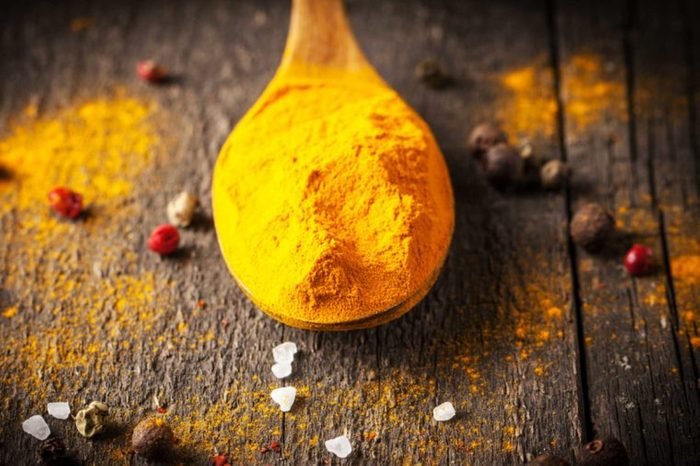
There are many ways turmeric may support your health, and research suggests it may also have a role in managing pain. Turmeric contains curcumin, an anti-inflammatory compound that gives the spice its distinctive yellow colour. More recent research has found promising results for people with osteoarthritis. A 2025 systematic review and meta-analysis of 10 randomised controlled trials found that Curcuma longa significantly reduced knee osteoarthritis pain compared with placebo, although the researchers noted that more research is needed to establish the best dose and formulation. Still, it’s easy to add turmeric to your meals. Try fresh turmeric root in a smoothie or add the spice while rice is cooking. If you’re considering a concentrated curcumin or turmeric supplement, talk to your doctor first.

Sign up here to have Reader’s Digest’s favourite stories straight to your inbox.

Source: RD.com

Connect with us: