
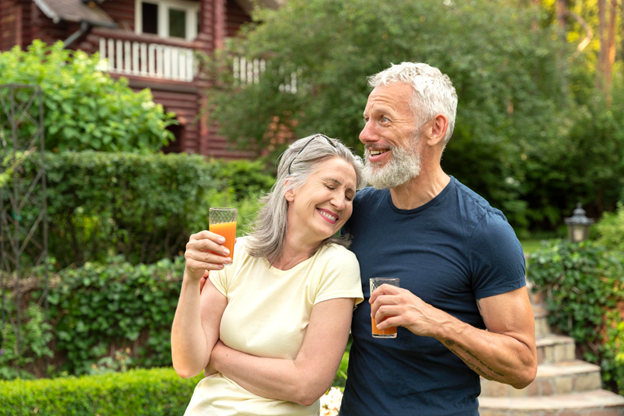
The good news is that healthy ageing does not require dramatic overhauls or expensive interventions. Small, consistent changes to how you move, eat, rest, and connect with others create a compounding effect that pays enormous dividends over time. This guide walks through the key pillars of healthy ageing for Australian seniors and the practical steps that make each one achievable.
Why Healthy Ageing Matters More Than Ever
Australia’s population is ageing at a significant rate. According to the Australian Institute of Health and Welfare, people aged 65 and over represent one of the fastest-growing segments of the population, and that number is projected to keep rising in the decades ahead.
Living longer is a genuine achievement. Living longer well is the real goal. Research consistently shows that lifestyle factors including physical activity, nutrition, social connection, and stress management have a far greater influence on how we age than genetics alone.
The choices made in your 50s, 60s, and 70s shape the experience of your 80s and beyond. And for those already in their later decades, it is never too late to start. Studies show that even people who adopt healthier habits late in life experience measurable improvements in mobility, cognition, cardiovascular health, and overall wellbeing.
The Power of Rest and Recovery
One of the most underestimated aspects of healthy ageing is recovery. As the body ages, it takes longer to repair from physical activity, stress, and the general demands of daily life. Prioritising rest is not a sign of slowing down. It is a strategic investment in staying strong.
Sleep quality tends to decline with age, and poor sleep is linked to increased inflammation, cognitive decline, weakened immunity, and a higher risk of chronic disease. Creating a consistent sleep routine, limiting screen exposure before bed, and keeping the bedroom cool and dark are all habits that meaningfully improve sleep over time.
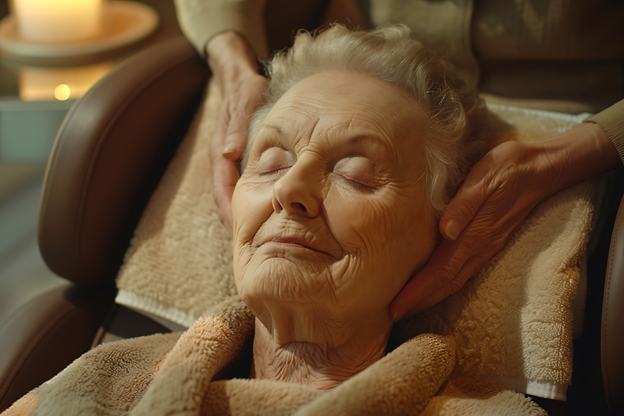
Physical recovery also deserves attention beyond sleep. Muscle tension, joint stiffness, and chronic aches are common complaints among older Australians, and they quietly erode quality of life when left unaddressed. Regular massage therapy has been shown to reduce muscle tension, improve circulation, lower cortisol levels, and support better sleep.
For seniors who want the benefits of regular massage without the cost and inconvenience of repeated clinic visits, a quality massage chair is a practical and long-term investment in daily recovery. You can explore a wide range of massaging chairs at Relax for Life and find an option suited to your body and lifestyle. Having access to consistent relief at home makes it far easier to manage physical tension and support the recovery your body needs every day.
Alongside massage, other recovery practices like gentle stretching, warm baths, and mindful breathing all contribute to a body that handles the demands of daily life with greater ease and resilience.
Strength Training: The Most Important Exercise for Seniors
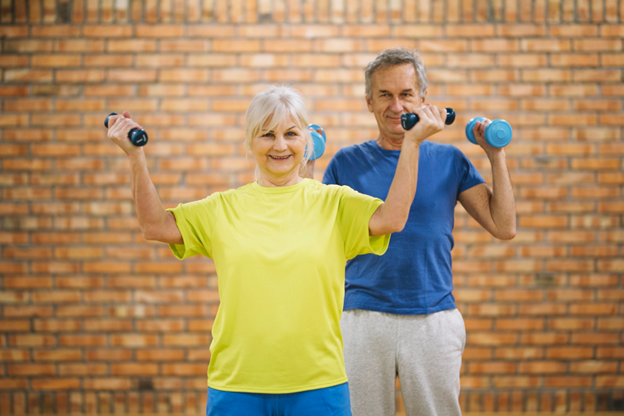
The single most impactful form of exercise for healthy ageing is strength training. This is not a popular opinion in the way that walking or swimming might be, but the evidence behind it is overwhelming.
After the age of 30, adults begin to lose muscle mass at a rate of approximately three to five percent per decade without intervention. This process, known as sarcopenia, accelerates after 60 and is directly associated with falls, fractures, loss of independence, and reduced quality of life.
Resistance training reverses sarcopenia. It builds and preserves the muscle mass that keeps joints stable, metabolism active, bones dense, and movement functional. Older adults who strength train consistently also show better cognitive function, improved mood, and lower rates of chronic disease than those who rely on cardio alone.
The barrier for many seniors is not motivation. It is access. Setting up a simple home gym removes the need to travel to a facility, eliminates the intimidation factor of a commercial gym environment, and makes it easier to build training into a daily routine.
A set of dumbbells, a barbell, and a solid weight rack is genuinely all most seniors need to run an effective resistance training programme at home. If you are ready to invest in your home setup, you can buy weight racks through Kinta Fitness and build a training space that supports consistent, long-term progress.
Starting with bodyweight movements and progressing gradually to loaded exercises is the safest and most effective approach for beginners. Working with a personal trainer for even a few sessions to learn proper form is a worthwhile investment that reduces injury risk significantly.
Nutrition for Longevity: Eating in a Way That Supports a Long, Healthy Life
What you eat has a profound influence on how you age. Chronic inflammation, driven largely by diet, is now understood to be a central mechanism behind many of the conditions most associated with ageing, including heart disease, type 2 diabetes, cognitive decline, and certain cancers.
An anti-inflammatory dietary pattern rich in vegetables, legumes, whole grains, oily fish, nuts, and olive oil supports cellular health, gut function, and metabolic resilience. Reducing ultra-processed foods, refined sugars, and excess alcohol removes the drivers of chronic inflammation and gives the body the conditions it needs to function optimally.
Protein intake becomes increasingly important with age. Older adults need more protein per kilogram of body weight than younger people to maintain muscle mass, support immune function, and aid recovery. Prioritising protein at every meal, whether through lean meats, eggs, dairy, legumes, or fish, directly supports physical strength and metabolic health.
One nutritional approach gaining significant traction in healthy ageing research is time-restricted eating and low-calorie fasting protocols. Evidence suggests that reducing caloric intake through structured dietary patterns supports cellular repair, reduces inflammation, and may extend healthspan.
Dr Michael Mosley has been instrumental in bringing these ideas into mainstream awareness, with evidence-based programmes that make dietary change practical and sustainable for everyday people. If you are curious about the science behind low-calorie and fasting-based approaches to nutrition and longevity, you can learn more about Dr. Mosley and explore the Fast 800 programme for a research-backed framework designed around real life.
Hydration is the nutritional habit that seniors most consistently underestimate. The sensation of thirst diminishes with age, which means many older adults are chronically mildly dehydrated without realising it. Dehydration impairs cognition, worsens fatigue, affects kidney function, and increases the risk of urinary tract infections. Drinking consistently throughout the day, regardless of thirst, is a simple habit with a significant impact.
Caring for Your Skin as You Age
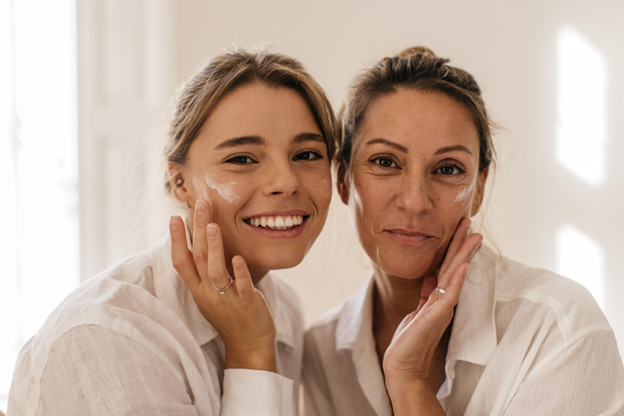
Skin is the body’s largest organ, and it changes more visibly with age than almost any other part of the body. Collagen production slows, elasticity decreases, and the cumulative effects of sun exposure, which Australians accumulate at some of the highest rates in the world, become increasingly apparent over time.
Caring for your skin in later life goes beyond aesthetics. Skin health affects self-confidence, social engagement, and overall wellbeing in ways that are easy to dismiss but genuinely meaningful. Feeling comfortable and confident in your appearance at any age is a legitimate and worthwhile goal.
A consistent skincare routine that includes daily SPF protection, a gentle cleanser, and a quality moisturiser forms the foundation of healthy skin maintenance. Sun protection is not just for the beach. Daily application of SPF 50 on the face, neck, and hands is the single most effective thing Australians can do to slow the visible signs of ageing and reduce skin cancer risk.
For those looking to address specific skin concerns with professional guidance, whether that involves pigmentation, fine lines, skin texture, or the long-term effects of sun damage, connecting with a qualified skin clinic delivers results that at-home routines alone cannot achieve.
If you are based in Melbourne’s inner east, the Skin Clinic in Camberwell at Luxe Lips offers a range of professional skin treatments tailored to mature skin, delivered by experienced practitioners in a welcoming, personalised environment. Getting a professional skin assessment is a great starting point for understanding what your skin needs and which treatments will make the most meaningful difference.
Beyond topical care and professional treatments, skin health is also supported from the inside. Adequate hydration, sufficient dietary protein and healthy fats, and micronutrients like vitamins C and E and zinc all contribute to skin structure, repair, and resilience.
Social Connection and Mental Wellbeing
Loneliness and social isolation are among the most significant and least discussed risk factors for poor health in older Australians. Research consistently places chronic loneliness on par with smoking and obesity in terms of its impact on mortality.
Staying socially connected, maintaining a sense of purpose, and engaging regularly with others are not soft lifestyle extras. They are central to healthy ageing. Seniors who maintain strong social networks show lower rates of depression, better cognitive function, and greater overall life satisfaction than those who become socially isolated.
Community involvement, hobby groups, volunteering, regular family connection, and participation in local activities all contribute to the social engagement that supports mental and emotional wellbeing. Making social connection a deliberate priority, rather than something that happens only when circumstances allow, is a habit worth cultivating.
Mental stimulation matters equally. Activities that challenge the brain, including reading, puzzles, learning new skills, music, and creative pursuits, support cognitive reserve and reduce the risk of dementia over time. The brain, like the body, responds to consistent use and challenge.
Choosing the Right Place to Call Home
Where you live has a significant influence on how well you age. Access to services, social opportunities, green spaces, and appropriate levels of support all shape the day-to-day experience of later life in ways that compound over time.
For many Australians, retirement villages represent an appealing balance of independence and community. Modern retirement villages are far removed from the institutional image many people still associate with aged care. They offer private, well-appointed residences within a secure and connected community environment, with access to recreational facilities, social activities, and on-site support as needed.
Perth in particular has seen strong growth in the quality and variety of retirement living options available, driven by its lifestyle appeal, climate, and a growing recognition of what a well-designed retirement community can offer.
If you or a family member are beginning to explore what retirement living might look like and want to understand the options available, you can explore retirement villages in Perth through the Aged Care Guide and access a comprehensive directory of villages across the region with detailed information on amenities, costs, and care levels.
Choosing the right environment is one of the most significant decisions in healthy ageing. Taking the time to research thoroughly, visit multiple options, and understand the full financial and lifestyle picture sets the stage for a genuinely fulfilling next chapter.
Building Your Healthy Ageing Plan
Healthy ageing is not a single habit. It is a collection of small, consistent practices across every area of life that work together to keep you strong, engaged, and genuinely well.
Start by identifying the one or two areas where you feel the most room for improvement. Maybe physical recovery has been neglected and a massage chair would transform how your body feels each morning. Maybe your nutrition needs a reset and an evidence-based framework would help. Maybe it is time to address your skin properly or start exploring what your next chapter of living looks like.
Every positive change, no matter how small, contributes to the larger picture. Healthy ageing is not about perfection. It is about direction. And the best time to point yourself in the right one is always now.