


What Does It Mean to Be Underinsured?
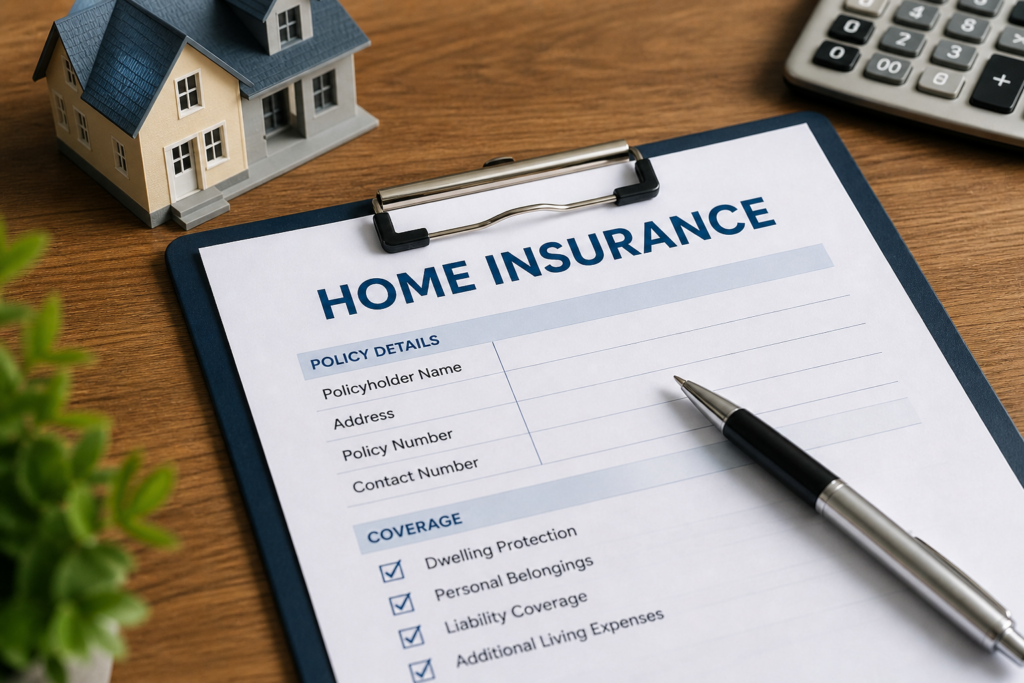
A homeowner is underinsured when a policy’s protection falls short of the actual cost to rebuild a home or replace its contents. Market value can be misleading; real expenses come from materials, labour, and additional rebuilding-related costs rather than the property’s resale price.
Without accurate coverage, claims may only cover a fraction of the amount required, potentially leaving homeowners with substantial financial burdens (learn more here).
Understanding the difference between market value and rebuild cost is crucial. Market value reflects location, demand, and land worth, while rebuild cost considers construction, fixtures, and compliance with current building standards. Keeping this distinction clear prevents unwelcome surprises.
The 9 Signs You May Be Underinsured
Identifying underinsurance involves recognising subtle red flags within policies or homeowner behaviour. If any of the following apply, coverage may be insufficient:
1. The Policy Hasn’t Been Reviewed in Years
Insurance policies can seem permanent. Homeowners often assume coverage purchased years ago remains adequate. Over time, inflation, renovations, and market shifts render old policies insufficient. Annual reviews ensure that adjustments reflect current circumstances and allow corrections before gaps lead to financial strain.
2. Coverage Amounts Were Estimated Without Calculations
Estimating coverage without concrete calculations is risky. Guessing based on gut feeling or previous premiums rarely matches actual rebuild costs. Using online calculators or professional appraisals provides an accurate assessment and highlights potential gaps before they become costly.
3. The Home Has Been Renovated or Upgraded
Renovations significantly increase rebuilding costs. Updated kitchens, modern bathrooms, extensions, or outdoor features add substantial value. Homeowners often overlook adjusting policies after completing projects. Documenting upgrades and promptly updating the insurer ensures protection aligns with the home’s current value.
4. Market Value Is Being Used Instead of Rebuild Cost
Confusing market value with rebuild cost can misrepresent insurance needs. Land value rarely affects rebuilding expenses, yet some policies calculate premiums based on it. Rebuild costs take materials, labour, compliance with new regulations, and associated fees into account. Confirming calculations with a professional estimator helps avoid costly coverage gaps.
5. Rising Building Costs Aren’t Considered
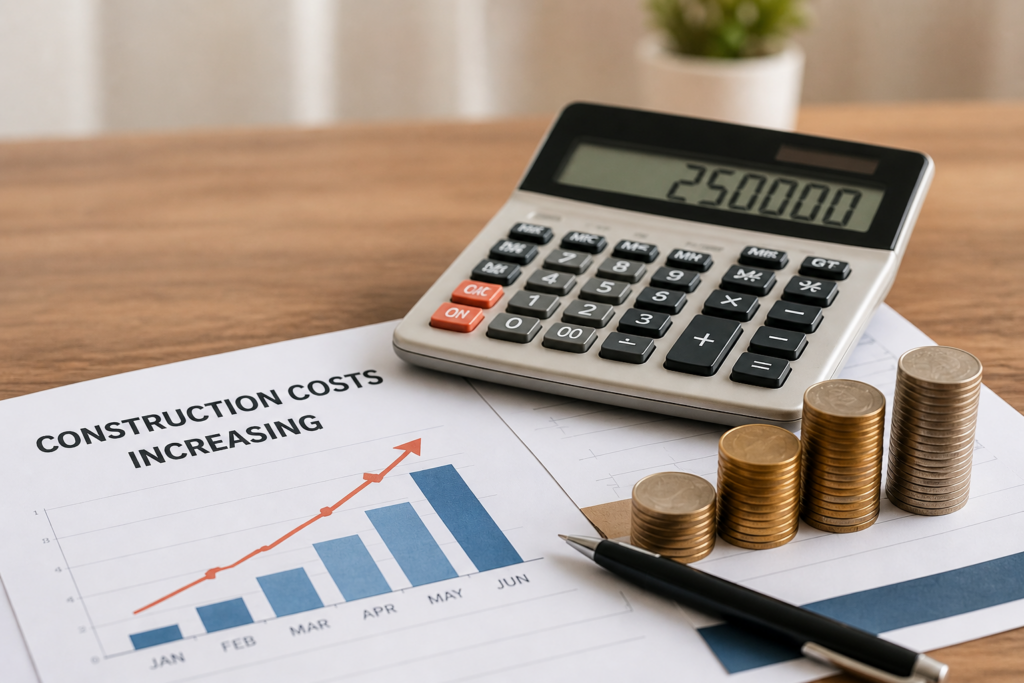
Material prices fluctuate unpredictably. Shortages, transport issues, and high labour demand can increase costs. Post-disaster reconstruction may be even more expensive, making previous estimates outdated. Factoring current building trends into insurance ensures homeowners remain fully protected.
6. The Value of Contents Is Unknown
Personal belongings accumulate over time. Electronics, furniture, appliances, and valuables may collectively cost more than expected. Underestimating total worth can leave gaps that only appear when making a claim. Creating a detailed inventory, including photos, receipts, and replacement estimates, ensures contents are accurately insured.
7. Additional Costs Are Missing from the Policy
Beyond rebuilding and contents, claims can involve extra expenses. Temporary accommodation, demolition, professional fees, debris removal, and permit charges may arise unexpectedly. Policies excluding these costs leave families financially exposed. Reviewing coverage for overlooked expenses prevents costly surprises during emergencies.
8. Coverage Has Been Reduced to Save on Premiums
Lowering coverage may feel financially savvy but carries significant risk. Even minor shortfalls in rebuild protection can escalate into thousands of dollars in uncovered expenses. Evaluating long-term risk against short-term savings encourages responsible decisions and preserves financial stability.
9. Professional Valuations Haven’t Been Used Recently
Relying solely on online calculators or rough estimates can leave gaps. Professional valuations provide precise rebuild costs for homes and contents. Valuers consider material quality, structural complexity, and current labour rates, including factors online tools may overlook. Regular valuations, ideally every few years or after major upgrades, ensure insurance reflects actual replacement costs.
Having expert assessments not only offers reassurance but also creates documentation that supports claims and reduces disputes with insurers. Many homeowners underestimate the value of professional insight, yet this small investment can prevent significant financial stress.
What Happens If a Home Is Underinsured?
Failure to identify underinsurance can lead to serious complications. Insurers may apply proportional clauses, paying only a fraction of actual costs, which increases reliance on personal savings. Delays can occur as funds stretch to cover additional expenses, prolonging reconstruction and disrupting family routines. Uncovered costs can also affect credit, lifestyle, and mental health, emphasising the importance of regular policy reviews.
How to Fix Underinsurance: Simple Action Plan
Addressing gaps requires straightforward steps. Following these measures ensures comprehensive protection:
1. Calculate Rebuild Costs Accurately
Professional builders or online tools can provide estimates based on property type, size, and materials. Accurate calculations prevent underestimation and clarify the protection required.
2. Create a Home Contents Inventory
Recording items room by room, including photos and receipts, establishes precise replacement costs. Regular updates account for new acquisitions, keeping coverage aligned with actual needs.
3. Review Policies Annually
Setting yearly reminders to evaluate coverage ensures changes in property, contents, and costs are reflected. Annual checks catch oversights before they result in significant gaps.
4. Update Coverage After Major Changes
Post-renovation upgrades, significant purchases, or lifestyle changes can alter risk profiles. Prompt updates maintain full protection and financial security.
Don’t Wait Until Costs Hit
Underinsurance affects more Australians than many realise, yet small, intentional steps can prevent exposure. Regular reviews, accurate valuations, and attentive updates form the backbone of sufficient protection. Homeowners who actively manage their policies can confidently face unforeseen events, avoiding financial strain and stress. Taking action today ensures peace of mind and safeguards investments that matter most.