
When Did “Normal” Get So Exhausting?
There’s a moment most parents know well. You’re standing in the kitchen at 6:47 pm. One kid is crying about homework and the other wants dinner five minutes ago.
You’re staring into a fridge wondering when you last ate something that wasn’t a handful of crackers off a toddler’s plate.
Modern family life in Australia moves fast. Between school runs, groceries, work deadlines and trying to remember whose turn it is for weekend sport, the basics feel like a second full-time job.
But here’s what I’ve noticed talking to parents around the country. The families keeping their heads above water aren’t doing anything radical. They’re not meal-prepping seventeen containers every Sunday.
They’re making small, deliberate choices. Tiny shifts that save twenty minutes here and reduce stress there.
This piece is a collection of those choices. From how families are rethinking celebrations to how they’re feeding themselves better without turning the kitchen into a battleground.
None of it requires a lifestyle overhaul. All of it works in real life.
Celebrating the Little Moments Without the Big Price Tag
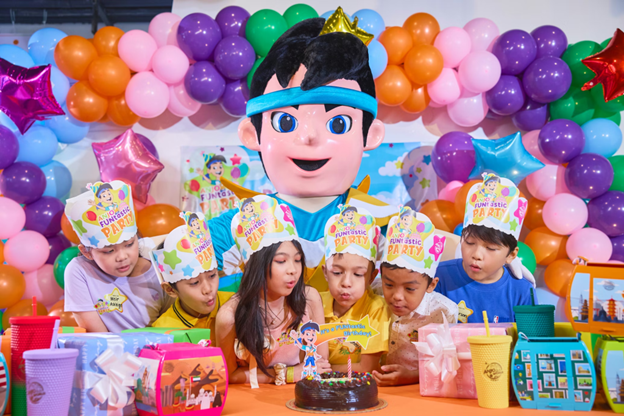
Somewhere along the way, birthdays became productions. Themed party packages, custom invitations and venues that charge per head. For most families, it’s unsustainable.
The shift I’m seeing is back toward something simpler. Parents throwing parties in backyards and living rooms. Homemade decorations that the kids actually helped make.
Guest lists are getting smaller too. Fewer kids means less chaos and more genuine connection for the birthday child.
One of the nicest trends is the return to real food at celebrations. Instead of ordering a generic supermarket slab cake, more families are supporting local bakeries that put genuine craft into what they make.
Walking into your local cake shop on a Saturday morning to choose something beautiful for your kid’s birthday is a small thing. But it teaches them that quality matters and that supporting local businesses is worth the extra few dollars.
It’s not about spending more. It’s about spending differently.
Celebrations don’t need to be reserved for birthdays either. Some families I’ve spoken to have a “Friday cake night” tradition. Just a treat at the end of the week to mark that everyone made it through.
The kids look forward to it all week. It costs less than a round of takeaway.
The families getting this right aren’t chasing perfection on Instagram. They’re focused on the feeling in the room. Candles, laughter and a cake that someone actually chose with care.
That’s what kids remember ten years later. Not the colour-coordinated balloon arch.
Even the way we think about party food is changing. More parents are putting together grazing platters with fresh fruit, cheese and crackers instead of tables full of processed snacks. It still feels festive, but nobody crashes from a sugar high an hour later.
There’s also a growing awareness around dietary needs at kids’ parties. Nut-free, gluten-free and dairy-free sound complicated, but a couple of inclusive options alongside the regular spread means every child can eat without stress.
The goal isn’t to throw the “best” party. It’s to throw one that actually feels good for everyone involved.
Getting Kids Moving Without a Fight
Ask any parent what their biggest daily battle is and screen time will land in the top three. Phones, tablets and TVs. The pull is constant.
Fighting it head-on rarely works. What does work is replacement, not restriction. Give kids something genuinely fun to do outside and most of them will choose it.
Parks are obvious, and Australian families are lucky to have some of the best public play spaces in the world. But you don’t even need to leave the street. A driveway, a footpath or a stretch of flat grass is all it takes.
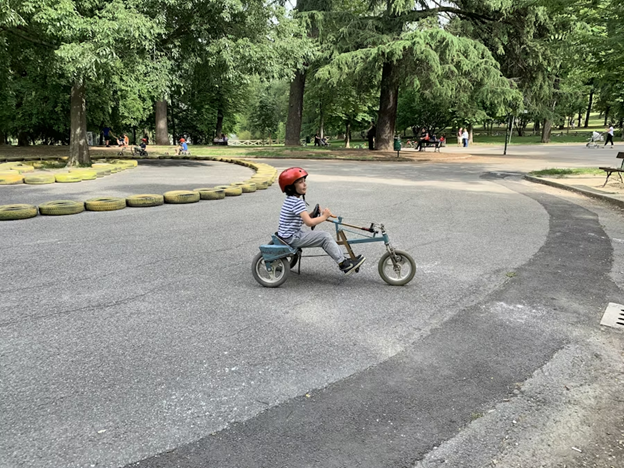
For younger kids especially, ride-on toys change the game. A toddler scooter becomes the most-used item in the house within days of arriving.
Kids grab it on the way out the door without being asked. It turns a boring walk to the letterbox into a whole adventure.
What I like about scooters for little ones is the confidence piece. They’re learning balance, coordination and spatial awareness without any of it feeling like a lesson. It’s just play.
And play is how kids are supposed to learn those skills.
Older kids benefit from the same principle. Bikes, skateboards and cricket sets in the backyard. The equipment doesn’t need to be expensive. It just needs to be available and visible.
If the scooter is sitting by the front door, it gets used. If it’s buried in the garage behind the camping gear, it doesn’t.
Family movement matters too. A weekend walk that becomes a ritual. Kicking a footy at the park after school. Swimming at the local pool on Sunday mornings.
When kids see their parents moving, it normalizes physical activity as part of life rather than something you force into a schedule.
One idea that’s gaining traction is active birthday parties. Instead of a venue with a screen and a dance floor, parents are organizing park days with relay races and old-fashioned games like capture the flag.
The kids are exhausted by the end. The parents barely had to organize anything. Everyone actually had fun.
The research backs this up too. Australian kids who spend more time in unstructured outdoor play show better emotional regulation and sleep quality.
Those aren’t small benefits. That’s the stuff that makes Tuesday evenings less chaotic.
Getting kids active doesn’t require a programme or a schedule. It requires access, opportunity and adults willing to put their own phones down long enough to kick a ball around.
Smarter Kitchens, Less Waste and Actual Money Saved
Food waste is one of those problems everyone acknowledges but few households tackle seriously. The average Australian family throws out roughly $2,500 worth of food every year.
That’s not a typo. That’s a holiday.
Most of it comes down to poor storage and over-buying. We stock the fridge with good intentions on Sunday, and by Wednesday half of it has wilted or gone soggy.
Meat gets freezer-burnt. Leftovers sit in containers until they become a science experiment.
Meal prepping helps, but only if the food actually lasts. This is where storage habits make a real difference. Families who batch cook successfully tend to invest in proper storage rather than relying on cling wrap and hope.
Vacuum sealing is one method that’s quietly become a staple in organized households. Food sealed properly lasts significantly longer and holds its quality far better than anything stored in cling wrap or a loosely closed bag.
The difference in freezer quality alone is noticeable. Food sealed properly doesn’t develop that grey, dried-out look that makes you question whether it’s still safe to eat.
A few other kitchen habits are worth adopting too. Labelling everything with a date. Using clear containers so you can actually see what’s in the pantry. For families already rethinking their storage habits, understanding cellophane vs plastic is a useful next step when choosing wrapping options that are both practical and more sustainable.
Freezing things flat so they stack neatly instead of forming an avalanche every time you open the freezer door. Small change, big payoff.
Buying in bulk also makes more sense when you have the storage to back it up. Splitting a bulk meat order with another family, portioning it out and sealing it properly means you’re paying wholesale prices for quality cuts. That adds up over a year.
Then there’s the mental load piece. Knowing exactly what’s in your freezer and when it was prepared removes the nightly “what’s for dinner” panic.
You pull something out in the morning. By 5 pm you’ve got a plan instead of a crisis.
Reducing food waste isn’t about being perfect. It’s about having systems that work even when the week goes sideways.
If you’re looking for more ways to stretch your household budget at the checkout, these smart grocery tricks are worth bookmarking.
Because the week will go sideways. That’s just parenting.
Rethinking How We Feed the Youngest Members of the Family
Baby and toddler nutrition has changed dramatically in the past decade. What our parents considered standard advice has been challenged by newer research.
The options available to families have expanded well beyond jars of pureed pumpkin.
Parents today are more informed than any generation before them. They’re reading labels, asking questions and pushing back on products loaded with added sugar and fillers.
One of the more interesting shifts is toward transparency. Parents want to know exactly what’s in the pouch, the jar or the formula.
They want to understand sourcing, processing methods and nutritional profiles. It’s not helicopter parenting. It’s just good sense.
The conversation around infant formula and supplementary feeding has opened up too. Where it was once a topic loaded with judgement, most parents now approach it practically.

What matters is that the baby is fed, growing and thriving. The “how” is a personal decision shaped by dozens of factors that nobody outside the household needs to weigh in on.
Brands like Bobbi are part of this new landscape, making quality nutrition more accessible for families who want straightforward options without wading through confusing marketing claims.
When a brand leads with clarity and simplicity, parents notice. Because at 2 am with a hungry baby, nobody has time to decode an ingredient panel.
Introducing solids is another area where Australian families are getting more adventurous. Baby-led weaning has moved from niche parenting forums into the mainstream.
The idea is simple. Instead of spoon-feeding purees, you offer soft, age-appropriate whole foods and let the baby explore textures and flavours at their own pace.
It’s messy. Genuinely messy.
But the research suggests it supports better long-term eating habits and helps babies develop a wider palate. Plenty of Aussie parents swear by it.
The key theme across all of this is autonomy. Parents want to make informed choices based on evidence and their own family’s needs. Not marketing pressure or outdated guidelines.
The brands earning trust right now are the ones that respect that.
Feeding a baby well doesn’t require perfection. Some nights it’s a lovingly prepared sweet potato mash. Other nights it’s a banana and some toast. Both count.
And What About the Person Making All of This Happen?
We spend a lot of time thinking about what our kids eat. We pack balanced lunchboxes, stress over party food and read the back of every pouch before it goes in the trolley.
Then we skip breakfast, inhale a cold piece of toast at 11 am and call two flat whites “lunch.”
It’s funny until it isn’t. That afternoon crash where your patience vanishes. The headache that sits behind your eyes from 3 pm onwards. The feeling of being completely wiped by bedtime even though you didn’t do anything physically demanding.
Most of that comes back to food. Or the lack of it.
I’m not going to pretend there’s a magic fix. Parenting is busy and some mornings you’re lucky to brush your teeth before the school run. But a few small upgrades genuinely shift how you feel by the end of the day.
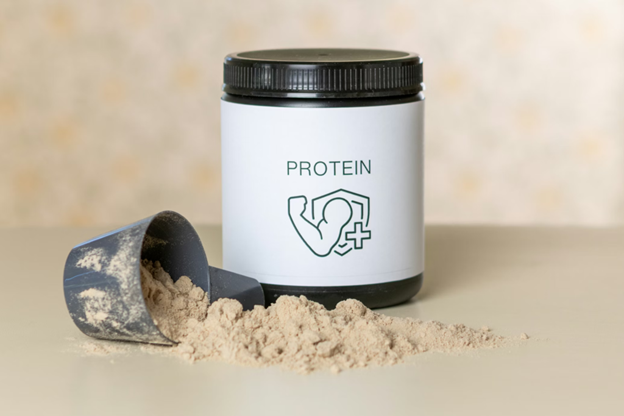
The easiest one I’ve heard from parents who’ve made the switch is a morning smoothie. Not a fancy wellness recipe with twelve ingredients. Just frozen fruit, milk or yoghurt and a scoop of vanilla whey protein powder thrown in the blender for two minutes.
It doesn’t sound like much. But that bit of protein in the morning stops the mid-morning nosedive that sends you back to the biscuit tin by 10:30.
Protein is the nutrient most parents fall short on. Carbs are easy. Toast, crackers, a muesli bar grabbed on the way out the door. They fill you up for about forty minutes and then you’re hungry again. If you want to understand exactly why protein keeps you fuller for longer, this research explains why.
Adding protein to even one meal a day changes the pattern. Greek yoghurt at breakfast. A handful of nuts stashed in your bag. Actual leftovers reheated for lunch instead of pretending you’ll eat “later.”
Some parents I’ve spoken to have started using Sunday nights for their own prep. Not a big production. Just overnight oats portioned into jars or a batch of protein balls they can grab through the week.
Fifteen minutes of effort for five mornings of not feeling terrible. That’s a trade worth making.
The irony is that we’ll happily spend half an hour prepping the kids’ food for tomorrow but won’t spend five minutes on our own. Somewhere along the way we decided our nutrition didn’t matter as much.
It does. You can’t run a household on adrenaline and caffeine forever. At some point, you have to feed yourself like you actually matter. Because you do.
Tying It All Together
None of what I’ve covered here is groundbreaking. That’s sort of the point.
The families doing well aren’t chasing trends or overhauling their lives every January.
They’re choosing a better bakery for birthdays. They’re putting a scooter by the front door instead of an iPad on the couch.
They’re sealing their food properly so Wednesday dinner isn’t a scramble. They’re feeding their babies with confidence and feeding themselves with intention.
Small choices, repeated consistently, build a household that feels less chaotic and more considered. Not perfect. Never perfect.
If any of this resonated, pick one thing. Just one. Try it this week.
See if the house feels a fraction calmer by Sunday night. That’s how it starts. And honestly, that’s enough.
Images supplied by client