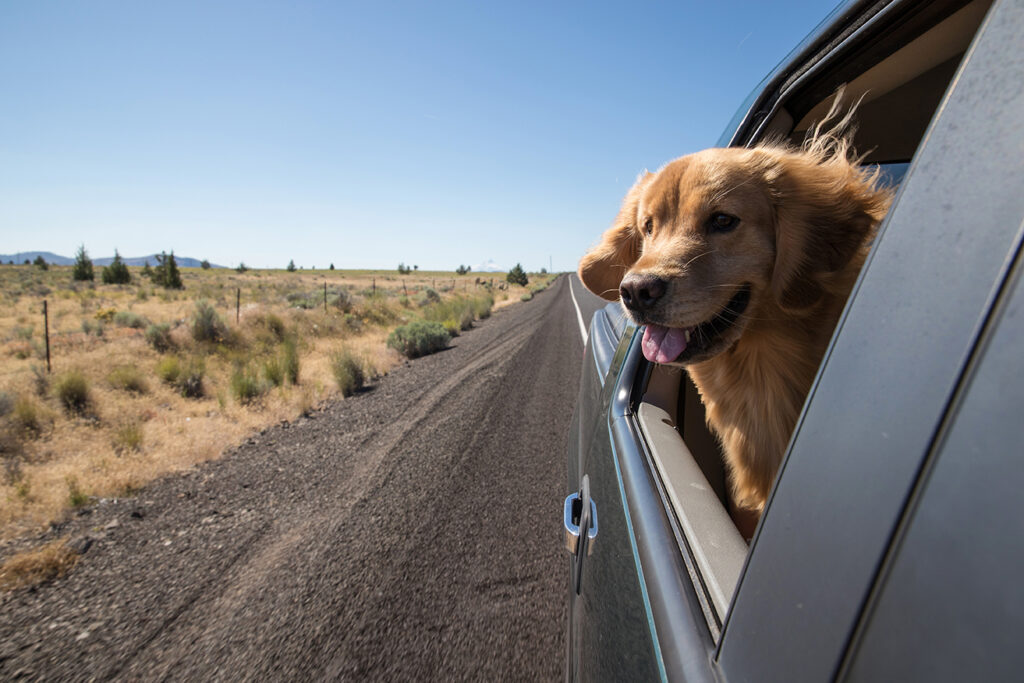


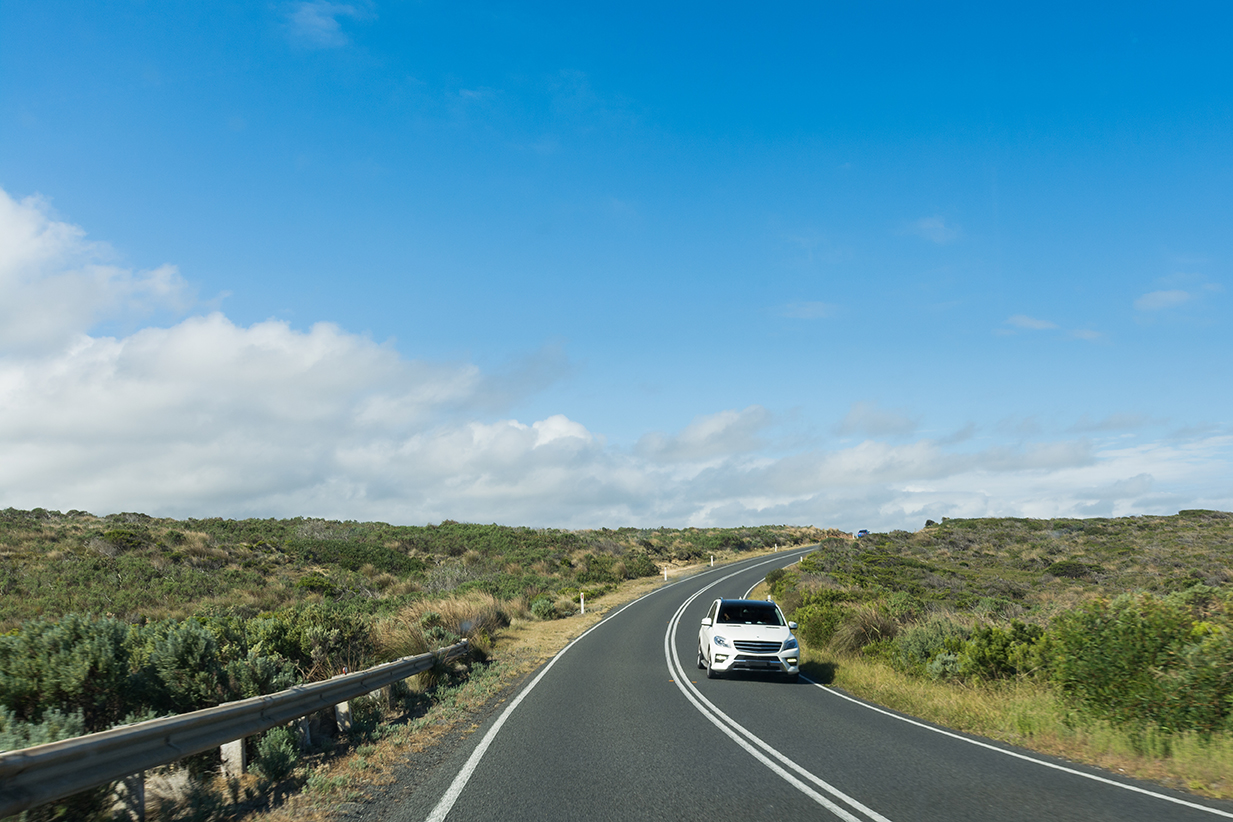
Road trips offer freedom unlike any other holiday experience – no flight schedules to rush for, no hotel check-ins dictating your day, just open roads and endless possibilities.
Yet so many Aussie families watch their adventures unravel due to mistakes that could have been easily avoided.
The good news is that learning what trips up other travellers helps you sidestep the same traps before they derail your journey.
Skipping Vehicle Maintenance
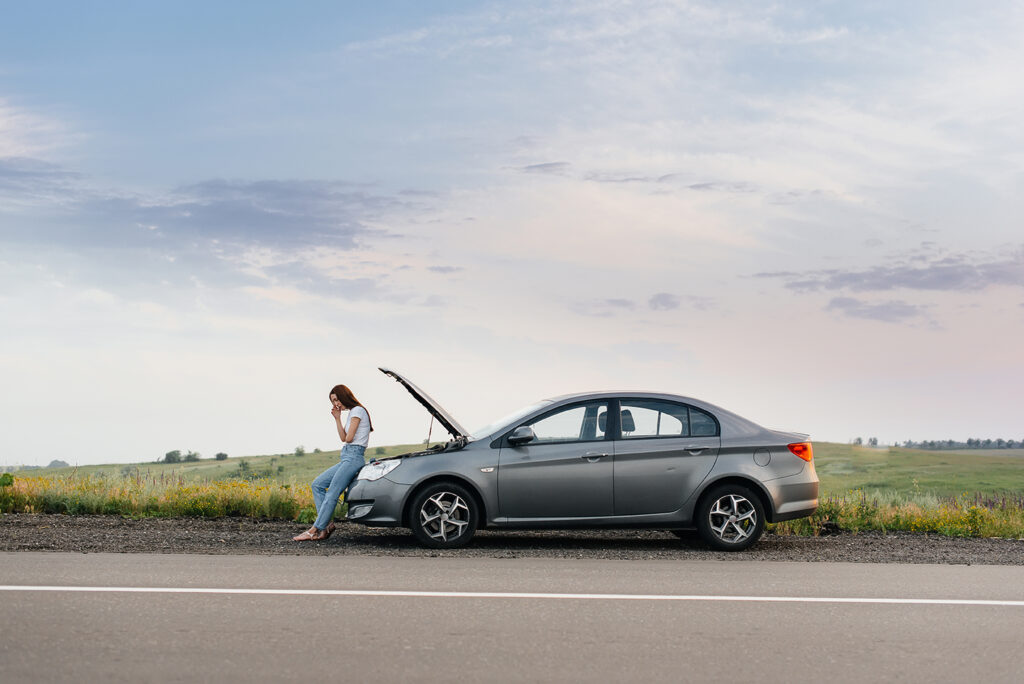
Nothing kills holiday vibes faster than watching your car limp onto a tow truck. At the same time, your family stands on the roadside, frustrated.
Many drivers assume their vehicle will handle those extra kilometres without any special preparation. Still, that assumption ends up costing people precious holiday time and serious money when things go wrong.
Before any extended journey, it’s worth booking a thorough service check to have mechanics inspect fluid levels, tyre pressure, brake performance, and battery health.
These simple checks often catch problems before they strand you on the roadside, especially tyres, which are especially prone to problems when long highway driving really tests their limits.
Beyond just mechanical issues, you’ll want to ensure your vehicle documentation stays current and accessible. Registration papers, insurance certificates, and roadside assistance details all belong in your glove box, where you can grab them quickly if needed.
Speaking of insurance, reviewing your coverage before departure prevents those nasty surprises nobody wants to deal with during a holiday. Take time to check whether your policy covers interstate travel, roadside assistance, and accommodation costs if your car needs repairs away from home.
Getting a car insurance quote with NRMA helps you understand exactly what protection you have during road trips, so there’s no confusion when you need it most.
Don’t forget to replace worn wiper blades and top up the washer fluid, since Australian weather changes quickly and visibility matters everywhere, from coastal highways to outback roads.
Overpacking (Or Underpacking)

Finding that sweet spot between too much and too little is a challenge even for experienced travellers. Overstuffed boots not only limit visibility but also strain suspension and waste fuel along the way.
Yet forgetting essentials creates unnecessary stops and expenses that eat into both your time and budget.
Starting with a checklist covering these key categories makes the process much easier:
Safety Essentials:
- First aid kit with bandages, pain relief, and any prescription medications
- Spare tyre, jack, and wheel wrench
- Jumper cables
- Torch with fresh batteries
- Basic tool kit
Comfort Items:
- Sunscreen and hats
- Reusable water bottles
- Snacks for between-meal stops
- Phone chargers and car adapters
- Entertainment for kids (books, tablets, travel games)
Navigation Tools:
- Physical maps as backup
- GPS device or reliable phone navigation
- List of accommodation addresses
Rolling clothing instead of folding saves heaps of space, while packing one bag per person rather than multiple small ones keeps everything organised and accessible. Try storing heavy items low and toward the centre of your vehicle for better handling on the road.
Unrealistic Daily Driving Targets

Ambition leads many travellers to overestimate just how much distance they can comfortably cover in a day.
Mapping software calculates pure driving time but conveniently ignores reality – all those rest stops, meals, fuel breaks, and unexpected detours that add hours to your journey.
Fatigue causes more accidents than most people realise, so pushing through tiredness to reach a distant campsite really does risk everyone’s safety.
Planning routes that allow regular breaks every two hours makes sense, since even a quick stretch and coffee makes an enormous difference to alertness and mood.
Building buffer time into each day’s schedule reduces stress in the long run. If Google Maps suggests five hours, it’s smarter to assume six or seven will be more realistic.
This cushion lets you enjoy spontaneous stops at roadside attractions or stunning viewpoints without constantly stressing about arrival times.
For families travelling with children, shorter driving days prevent those dreaded backseat meltdowns that nobody enjoys.
Kids generally handle three to four hours much better than marathon sessions, and breaking long distances across multiple days transforms exhausting slogs into enjoyable adventures where everyone stays happy.
Consider booking accommodations in advance rather than gambling on availability when you arrive.
During holiday periods, popular spots fill up quickly, and nothing deflates excitement quite like circling town at sunset, desperately searching for vacancies.
Ignoring Road Conditions and Closures
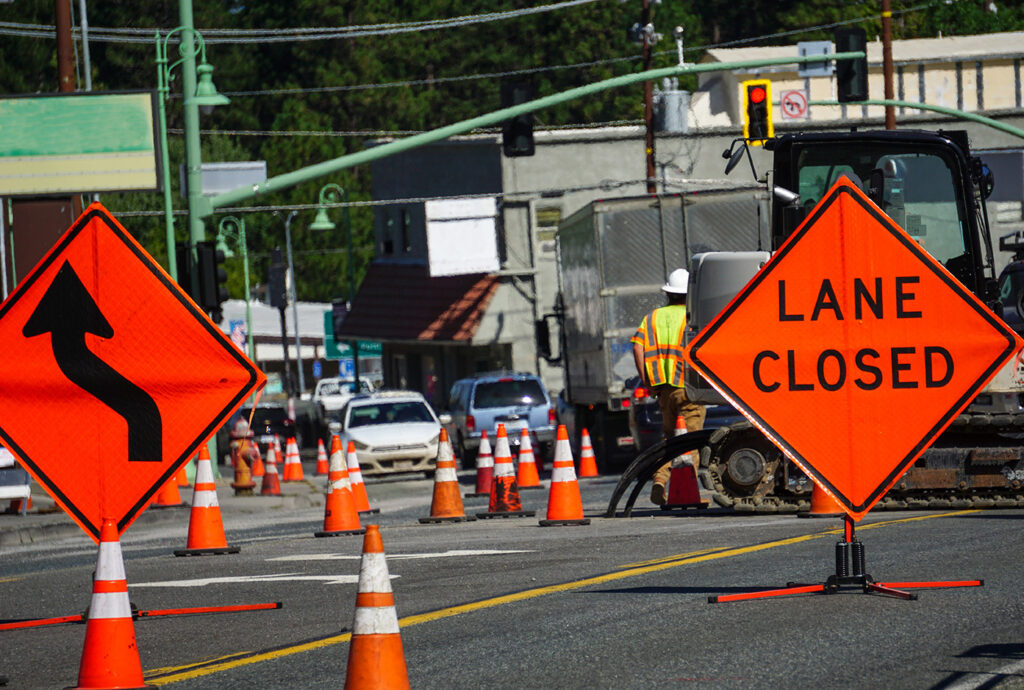
Aussie roads vary dramatically depending on where you’re headed. Highways connecting major cities offer smooth sailing most of the time, while regional routes require a bit more caution and attention. Some inland tracks demand four-wheel drives and emergency supplies just to tackle them safely.
Checking road condition reports before departing and during your trip saves headaches down the track.
Weather events close roads with surprisingly little warning, and flooding, fires, and severe storms regularly impact routes, especially during those intense summer months. State road authority websites and apps provide real-time updates that are worth monitoring throughout your journey.
Don’t trust satellite navigation blindly either, since systems sometimes route drivers onto completely unsuitable roads.
A sedan simply can’t handle tracks designed for 4WDs, regardless of what your GPS confidently suggests. Cross-referencing digital directions with physical maps and local advice makes much more sense.
Unsealed roads present their own unique challenges that catch unprepared drivers off guard.
Dust, corrugations, and loose gravel significantly reduce visibility and control. Wildlife poses even greater danger on country roads, particularly during dawn and dusk when kangaroos, wombats, and cattle wander onto highways with no warning.
Remote area travel demands extra preparation beyond what city folk might expect. Carrying additional water, non-perishable food, and communication devices becomes essential rather than optional.
Make sure to tell someone your route and expected arrival times, since mobile coverage can drop off alarmingly quickly once you leave metropolitan areas.
Underestimating Weather Challenges
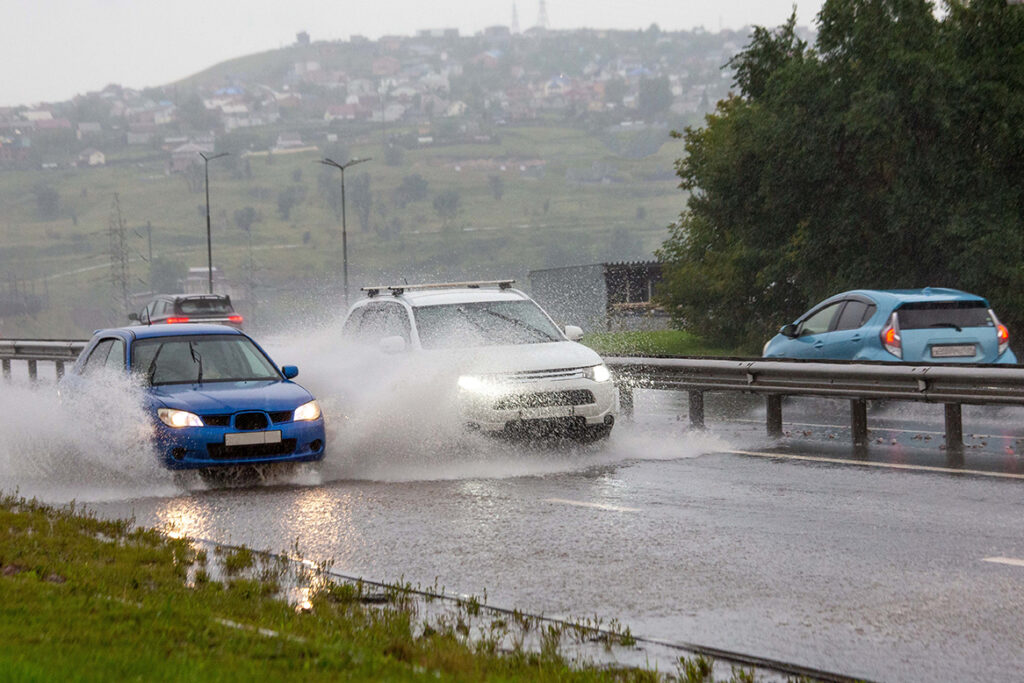
Australian weather demands genuine respect from anyone hitting the road. Conditions change dramatically across regions and seasons, catching people off guard. Summer heat in outback areas reaches levels beyond uncomfortable.
At the same time, southern winters bring snow to mountain passes, closing roads entirely. Coastal areas face storms and flooding year-round, regardless of what the forecast promised when you left home.
Heat poses particularly serious health risks during road trips that many families underestimate. Vehicles without air conditioning become unbearable within minutes rather than hours.
Make sure to carry extra water, sunscreen, and hats for everyone travelling with you. Never leave children or pets in parked cars, even for what seems like a brief stop – temperatures inside vehicles can exceed outside heat by 30 degrees or more in shockingly little time.
Cold weather brings different challenges that deserve equal attention. Mountain routes require snow chains during winter months, so checking requirements for your planned route and carrying appropriate equipment makes the difference between smooth travel and getting turned back.
Hypothermia affects unprepared travellers caught in breakdowns more often than people realise.
Storm preparation matters year-round as well. If severe weather approaches, finding safe shelter beats continuing stubbornly toward your destination every single time.
Flooded roads kill people annually because drivers attempt crossings they shouldn’t – the old saying “turn around, don’t drown” applies everywhere for good reason.
Monitoring weather apps and local radio stations during your journey keeps you informed as conditions evolve. Weather can change quickly, especially in tropical regions during storm season, so flexibility beats stubbornness when conditions threaten everyone’s safety.
Forgetting Entertainment and Engagement

Boredom breeds conflict faster than anything else, particularly when you’ve got children trapped in the backseat for hours on end. Those long stretches of highway hypnosis test everyone’s patience eventually, so smart entertainment planning keeps the whole family happy and reduces stress.
Create playlists suiting different moods throughout the day. For instance, upbeat music energises morning drives, while calmer selections work better for afternoon fatigue.
Just ensure everyone’s favourites are included to prevent arguments over who controls the speakers.
Audiobooks and podcasts transform monotonous driving time into opportunities for learning or entertainment that benefit everyone.
Choose stories engaging for all ages or rotate selections so everyone gets their turn picking something they’ll enjoy. Many libraries offer free digital borrowing services that make this easy and budget-friendly.
For kids specifically, a bit of preparation prevents those dreaded backseat battles:
- Individual activity bags with books, colouring supplies, and small toys that don’t create a mess
- Travel games like I Spy and 20 Questions that everyone can play together
- Tablet or device with movies and games downloaded beforehand (since you can’t always count on a signal)
- Regular stops at playgrounds or rest areas where kids can burn off pent-up energy
Adults travelling together benefit from conversation starters and games too, since road trips offer rare, uninterrupted time for meaningful discussions you might not have otherwise.
Start Planning Your Perfect Road Trip
Every successful journey begins with thoughtful preparation that sets you up for enjoyment.
Review your vehicle thoroughly, pack with intention rather than panic, set realistic expectations for daily progress, and stay flexible when circumstances change. These fundamentals prevent the most common road trip disasters that ruin holidays.
Australian roads offer incredible diversity that few countries can match – from spectacular coastal drives to challenging mountain passes, lush rainforests to stark desert landscapes.
Whether you’re exploring your home state for the first time or crossing the entire continent on an epic adventure, smart preparation ensures your holiday delivers all that freedom and adventure you’re seeking.
Hit the road with confidence, knowing you’ve avoided the common traps that catch unprepared travellers by surprise. Your dream road trip is waiting for you.