
Discovering the benefits of walking meditation
While conquering the world’s swimming pools in the late 1990s and the 2000s, Amanda Beard had already included breathing exercises and visualisation techniques in her training.
She was not the type of person to practise meditation, though. She didn’t completely understand it, or she thought of it as something incompatible with her “anxious and fidgety character.”
Several years after the end of her athletic career, she discovered walking meditation. “I put on my earbuds, turned up the music really loud, and just went out for a walk,” Beard says.
Today, the seven-time US Olympic medallist practises walking meditation in nature, around the house, on a plane, or while walking the dog. It’s a daily practise that contributes positively to every aspect of her life, she says.
Here’s what you need to know about walking meditation, including how to do it, the potential benefits, and tips from meditation experts.
What is walking meditation?
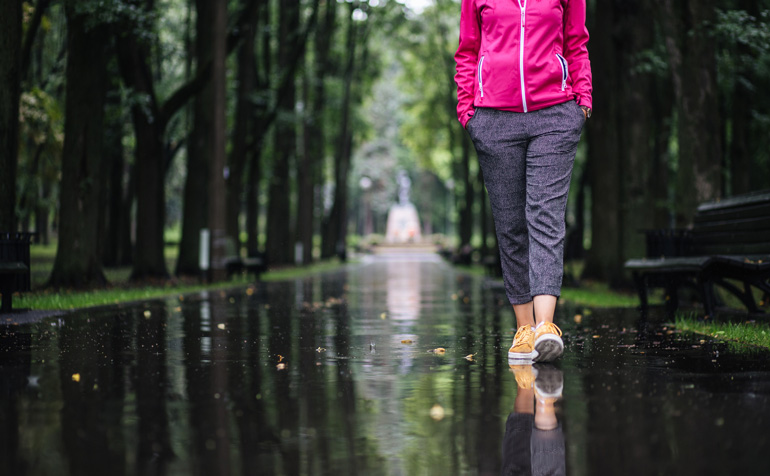
Walking meditation is a mindfulness practice that weds the physical benefits of walking with the focused mindfulness of meditation.
Instead of sitting cross-legged, you meditate on the stroll. Vietnamese meditation master Thich Nhat Hanh has poetically defined it as, “printing peace, serenity and happiness on the ground”.
How do I start a walking meditation practice?
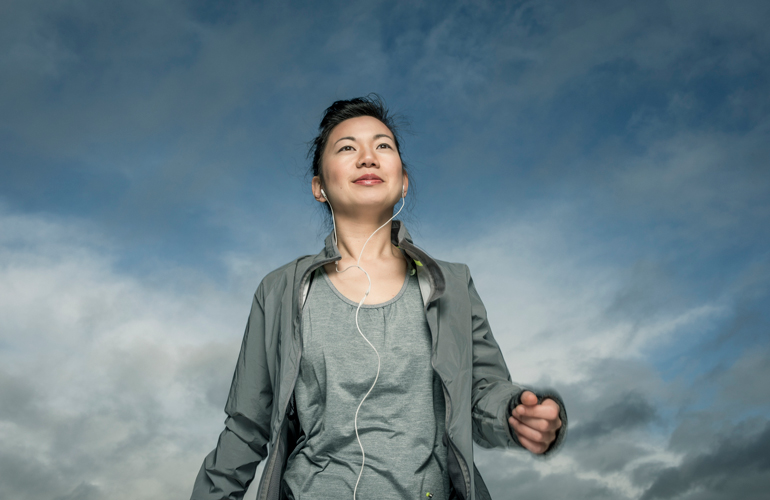
You don’t need equipment or a designated space to start.
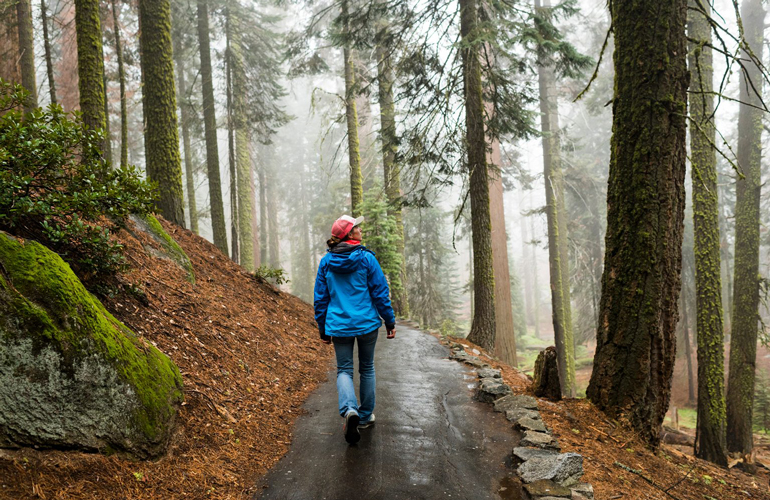
Walking meditation is about paying attention to how your body feels and noticing your surroundings — the sky, the trees — while tuning into all of your senses with curiosity rather than judgment.
This means you can meditate on the go in the countryside, in the city, in your backyard, and virtually anywhere.
A simple, 10-minute walking meditation for beginners requires only that you start walking and observe your body while letting yourself blend into the world around you, per a comprehensive 2025 global review published in the All Scientific Journal. Consider what you hear, smell and see. Think about how your feet touch the ground.
Try to fully immerse yourself in these sensations without dwelling on any thoughts (though don’t worry if some drift in) — a simple act with the potential to gradually usher a new kind of awareness into your life.
If you’d like a more formal type of walking meditation, such as watching your breath, you might try slowly inhaling through your nostrils. Then hold your breath for about two seconds and slowly exhale through your mouth for four seconds, or simply observe the way you breathe as you walk.
You can also use apps like Healthy Minds Program, Insight Timer, Smiling Mind, or Headspace.
Try these 10 ways to sneak in meditation into your everyday life.