
Fructans in Grains, Vegetables & “Healthy” Fibres

Fructans in Grains, Vegetables & “Healthy” Fibres
Why It’s a Bully:
Fructans are fermentable carbohydrates your small intestine struggles to digest. They pass into the large intestine, where bacteria ferment them, producing gas, bloating, and discomfort—especially in sensitive individuals.

Foods That Pack a Punch:

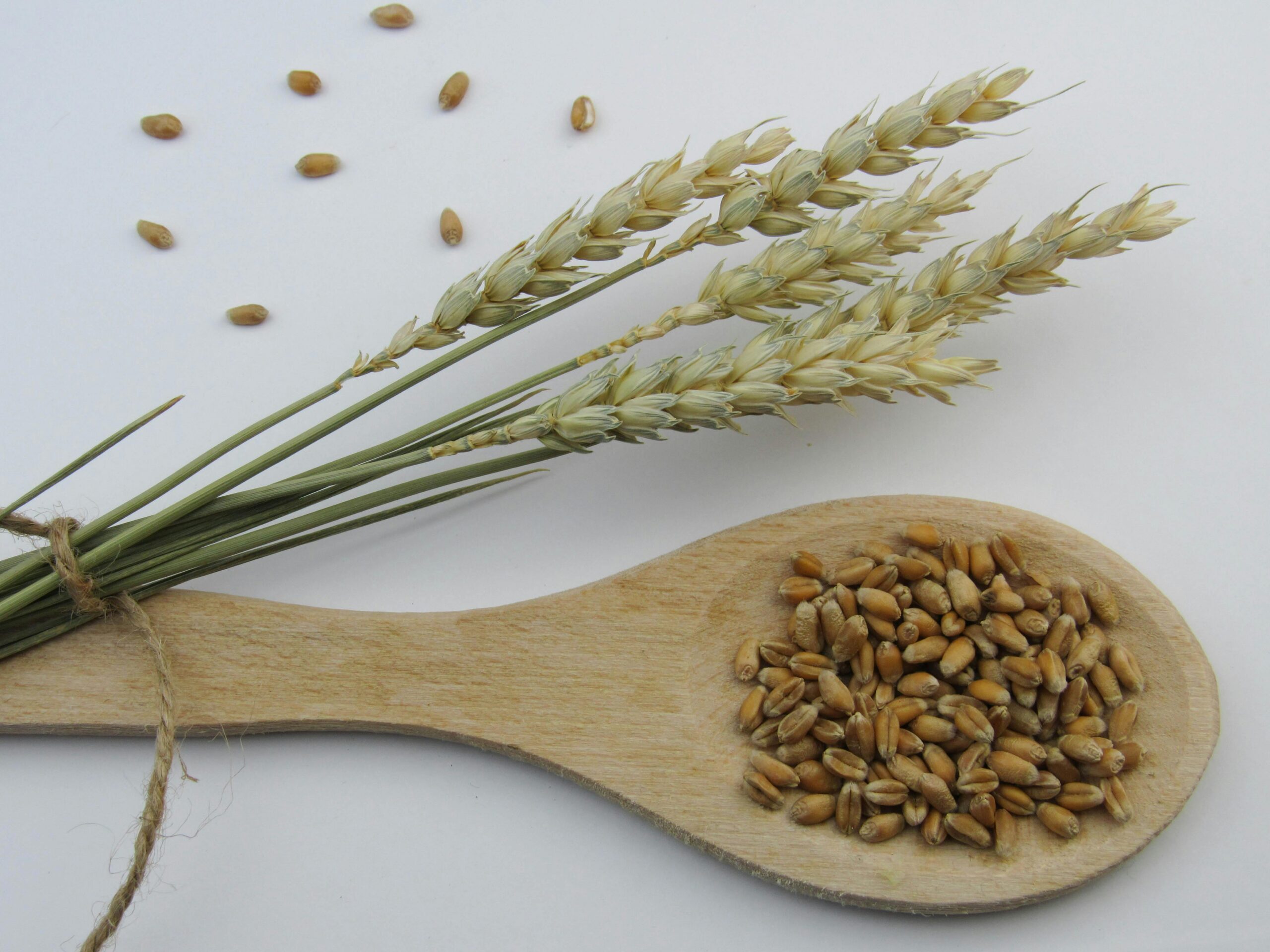
  • Grains: Wheat (bread, pasta), rye, barley
  • Vegetables: Onions, garlic, leeks, artichokes, asparagus
  • Additives: Inulin (chicory root fibre) in protein bars and yogurts
  • Note: Some gluten-free products are still high in fructans

Taming the Bully:

  • Introduce gradually to build tolerance
  • Choose sourdough (fermentation reduces fructans)
  • Use garlic/onion-infused oils for flavour without the load
  • Consider a low-FODMAP approach if sensitive
Advertisement

Sugar Alcohols in “Sugar-Free” Products

Sugar Alcohols in “Sugar-Free” Products

Why It’s a Bully:
Sugar alcohols (e.g. sorbitol, xylitol) are poorly absorbed and rapidly fermented in the gut, causing gas, bloating, and sometimes a laxative effect.

Foods That Pack a Punch:

  • Sugar-free gum, candy, protein bars, diet drinks
  • Hidden sources: “Low-carb” yogurts, jams, condiments
  • Natural sources: Apples, pears, stone fruits, mushrooms

Taming the Bully:

  • Check labels for “-ol” ingredients
  • Limit intake and test tolerance
  • Opt for erythritol, which is better absorbed

Excess Fructose in Fruits & Sweeteners
Excess Fructose in Fruits & Sweeteners

Why It’s a Bully:
When fructose exceeds glucose, absorption becomes inefficient. The excess ferments in the colon, leading to gas and bloating.

Foods That Pack a Punch:

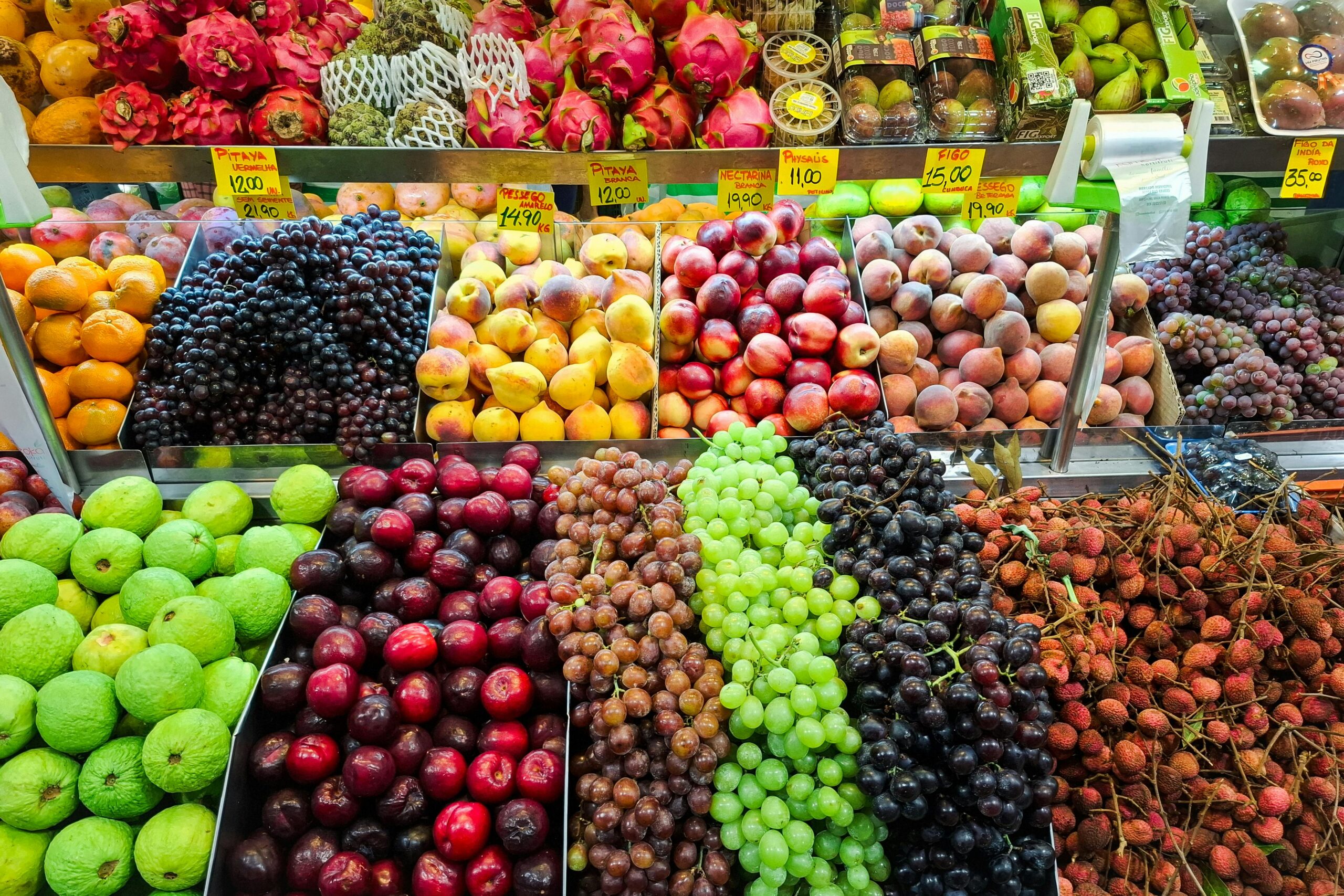
  • Fruits: Apples, mangoes, watermelon, pears
  • Sweeteners: Honey, agave, high-fructose corn syrup
  • Vegetables: Asparagus, sugar snap peas

Taming the Bully:

  • Choose balanced fruits (bananas, berries)
  • Limit fruit juice
  • Watch portion sizes

Beans, Legumes & Cruciferous Vegetables (Raffinose Overload)

 Beans, Legumes & Cruciferous Vegetables (Raffinose Overload)

Why It’s a Bully:
Beans and many vegetables contain raffinose, a complex sugar humans can’t digest. Gut bacteria ferment it, producing gas.

Foods That Pack a Punch:

  • Beans: Chickpeas, lentils, kidney beans, soybeans
  • Vegetables: Broccoli, cauliflower, cabbage, Brussels sprouts, kale
  • Nuts: Cashews, pistachios

Taming the Bully:

  • Soak beans overnight and rinse היט
  • Use pressure cooking to reduce gas compounds
  • Cook vegetables instead of eating raw
  • Start with small portions

Dairy & Lactose Intolerance

Dairy & Lactose Intolerance

Why It’s a Bully:
Lactose requires lactase to digest. Many adults produce less of this enzyme, causing lactose to ferment in the gut and trigger bloating, cramps, and diarrhoea.

Foods That Pack a Punch:

  • Milk, ice cream, soft cheeses, yogurt
  • Processed foods with milk solids or whey

Taming the Bully:

  • Switch to lactose-free or plant-based options
  • Use lactase supplements if needed
  • Choose aged cheeses (lower lactose)

High-Fibre Foods (When “Healthy” Backfires)

High-Fibre Foods (When “Healthy” Backfires)

Why It’s a Bully:
Some fibres—especially fermentable ones—can overwhelm sensitive guts, increasing gas production instead of improving digestion.

Foods That Pack a Punch:

  • High-fibre cereals and supplements
  • Legumes and certain whole grains
  • Foods fortified with added fibre

Taming the Bully:

  • Increase fibre intake gradually
  • Stay hydrated
  • Opt for gentler fibres like psyllium

Portion Size & Eating Habits

Portion Size & Eating Habits

Why It’s a Bully:
Even “safe” foods can cause bloating when eaten in large amounts or too quickly. Overloading the gut increases fermentation and gas production.

Common Triggers:

  • Large meals
  • Eating too quickly
  • Mixing multiple high-FODMAP foods

Taming the Bully:

  • Eat smaller, balanced meals
  • Slow down when eating
  • Track combinations that trigger symptoms

Your Gut, Your Rules

Your Gut, Your Rules

The key takeaway: digestion is highly individual. What triggers one person may be perfectly fine for another.

Listen to your body, identify your personal triggers, and adjust accordingly. For ongoing issues, consider working with a dietitian or trying a low-FODMAP diet—the gold standard for managing food sensitivities.

Read more: 7 clear signs you might have an unhealthy gut

Connect with us: